Your windshield is the most exposed piece of glass on your car, and in Colorado Springs it takes a beating. PPF for windshields is a thin, optically clear layer applied to the outside of the glass that takes the hit from rocks and sand so your factory windshield doesn’t have to. Below, I’ll cover how it works, the pros and cons of the major brands, and why, after 20 years serving dealerships and private owners, XPEL is the film we trust at Springs Detailing.
Key Takeaways
- Windshield film is a sacrificial layer. It takes the chips and pitting so your original glass stays clean.
- A new windshield isn’t just glass anymore. Cars with forward-facing cameras need recalibration after a replacement, and that adds to the bill.
- ClearPlex, ExoShield and XPEL are the big names. Each has real strengths and real trade-offs.
- XPEL is our pick for its clarity, sensor-friendly design, installer network and fit with a complete protection plan.
- It’s a wear item. Plan on replacing it over time, and keep ice scrapers away from it.
- Installation matters as much as the film. This is not a driveway project.
Table of Contents
- Why Windshields Take a Beating in Colorado Springs
- What Is PPF for Windshields
- The Real Cost of a Cracked Windshield
- Comparing the Top Windshield Film Brands
- Why We Recommend XPEL
- The Honest Downsides of Windshield Film
- Why Professional Installation Matters
- Pairing Windshield Film With PPF, Ceramic Coating and Tint
Why Windshields Take a Beating in Colorado Springs
When my family moved to Colorado Springs in 2014, I spent my first few years here doing paint touch up for car dealers around town. I saw a lot of windshields that looked like they’d been sandblasted, and plenty of them were on cars only a year or two old.
There’s a reason for that. The City of Colorado Springs prepares for snow from September through May, and on most snow routes it spreads a sand and salt mixture it calls “anti-skid” to help with traction. That’s a good thing on an icy morning. It’s not a good thing for glass. Every truck ahead of you on Academy Boulevard or Powers is throwing that grit back at your windshield, and it hangs around on the shoulders long after the snow melts.
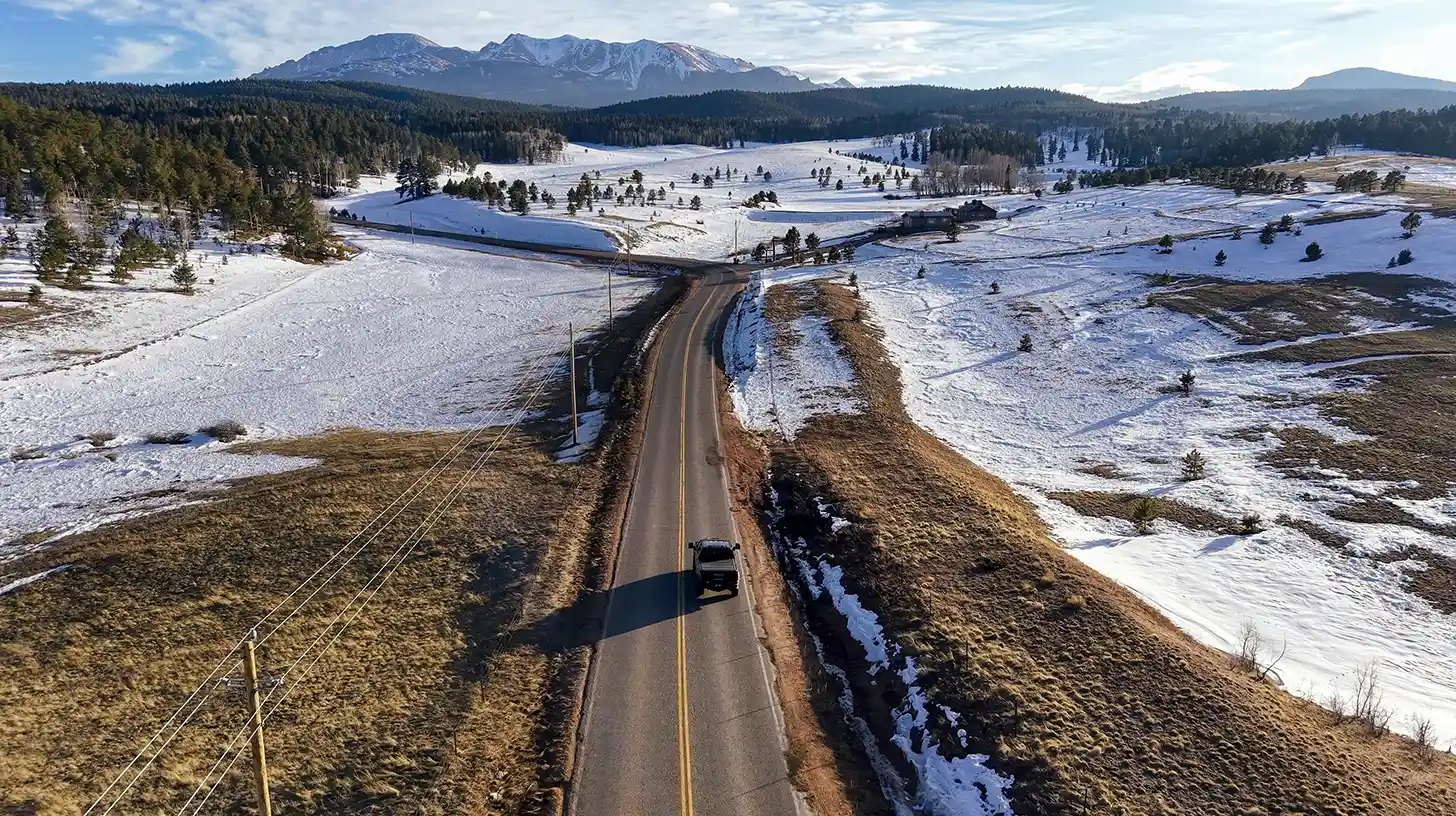
South of town, it’s even tougher. If you commute down I-25 toward Fountain and Widefield, or drive Highway 115 past Fort Carson every morning, you know the sound of a rock hitting glass at highway speed. Add construction zones and weekend drives past the Broadmoor up to the Cheyenne Mountain Zoo, and your windshield is taking hits nearly every time you leave the garage.
My webhead, Justin, just went on a mountain trip through Colorado. 30 minutes into the excursion, his windshield was met with a rock, which quickly spread into a 2 inch crack. Fortunately he was able to get it repaired, or at least keep it from spreading, but if he couldn’t get it properly fixed, he was looking at about $2k for a new windshield. Ugh. Paint protection film for windshields could have likely prevented the rock chip, and subsequent stress, in the first place.
What Is PPF for Windshields
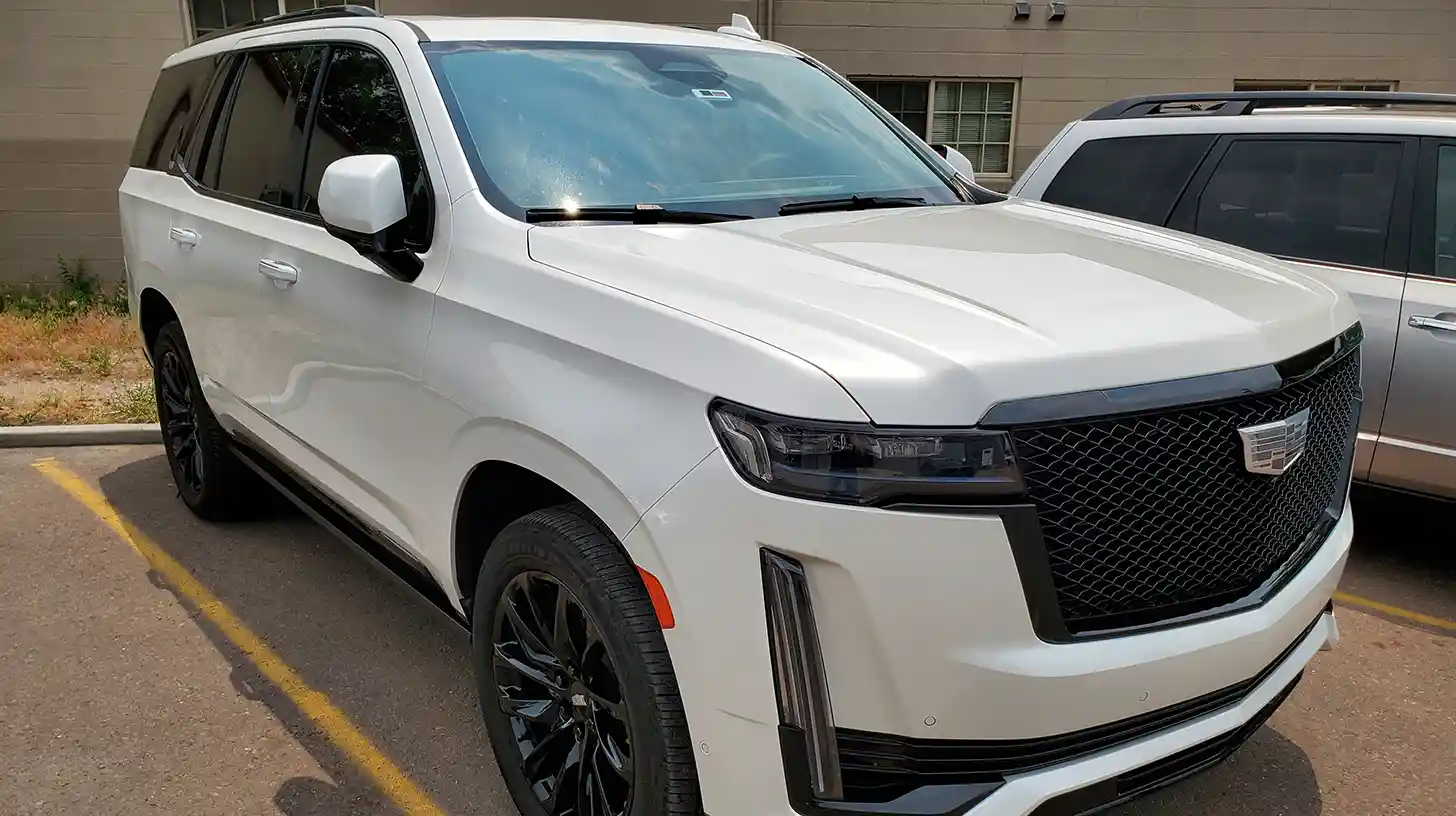
Most owners know paint protection film as the clear film we install on the front of a car to keep rock chips out of the paint. PPF for windshields works on the same idea, but it’s a separate product engineered specifically for glass. XPEL describes its film as a clear, thin layer applied to the outside of the windshield that makes the glass more impact-resistant and helps prevent chips, pitting and cracks.
Picture a screen protector on your phone. The film absorbs the damage, and when it shows wear, we replace it. Your factory windshield stays untouched underneath.
One thing I want to be clear about: windshield film and regular paint protection film are not the same thing. Film made for paint isn’t built for the optical clarity you need when you’re looking through it for an hour on the drive to Pueblo. If anyone offers to put leftover body film on your windshield, politely say no thanks.
The Real Cost of a Cracked Windshield
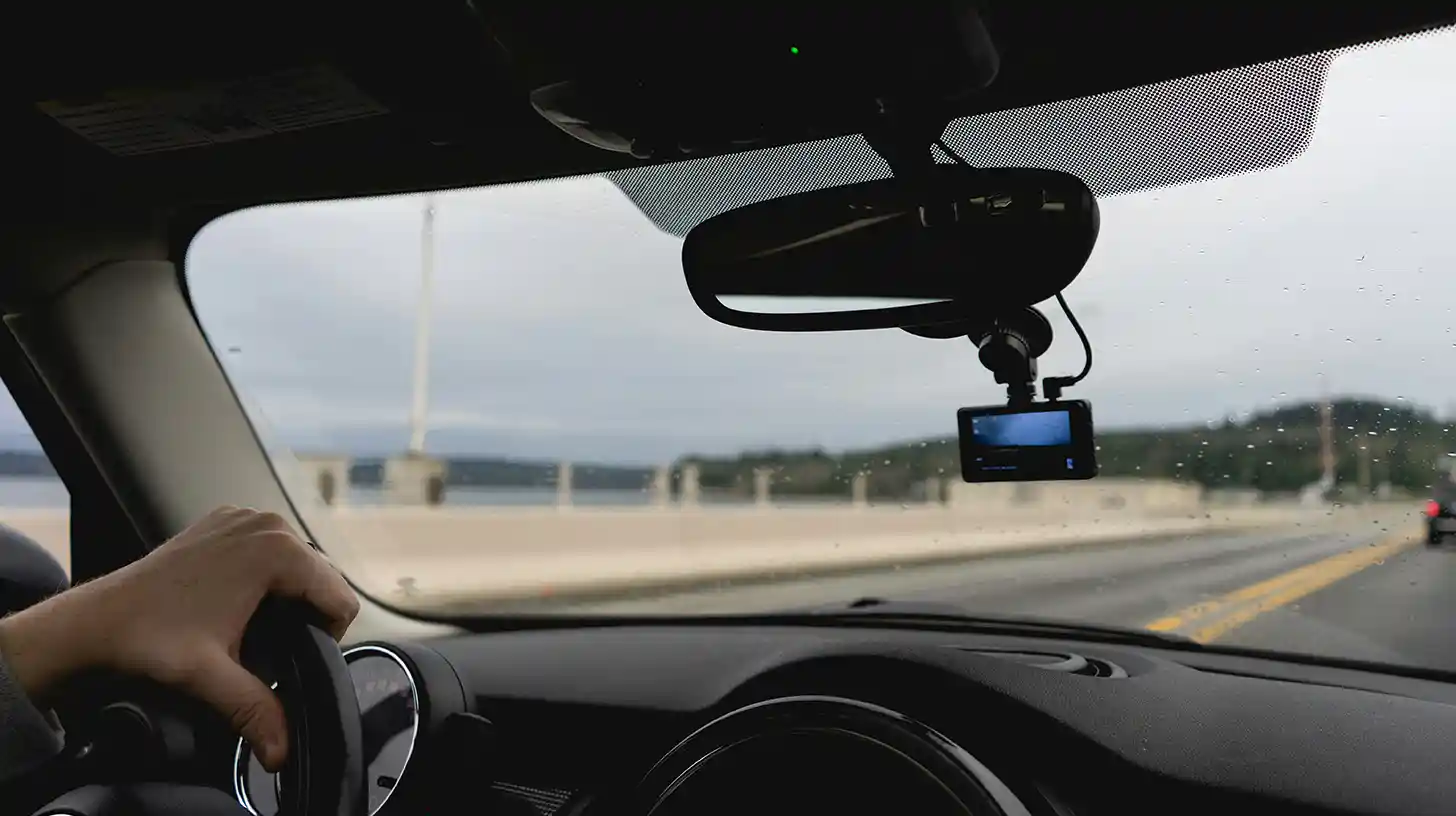
Fifteen years ago, a cracked windshield was mostly an annoyance. Today it can be a serious expense. Most newer vehicles have a camera mounted behind the windshield that runs lane keeping, automatic emergency braking and other safety features. When the glass is replaced, that camera has to be moved and recalibrated.
AAA looked at exactly this. In its windshield replacement scenario, the portion of the bill tied to driver assistance components averaged $360, about a quarter of the total repair. As Greg Brannon, AAA’s director of automotive engineering, put it, “Consumers should know about the repair costs associated with these technologies.”
Comparing the Top Windshield Film Brands
Every manufacturer says its product is the best. Here’s my honest take on the windshield protection film brands you’ll run into most often.
ClearPlex by Madico
Madico introduced ClearPlex in 2017, and it’s one of the products that put windshield film on the map.
Pros:
- It has the longest track record of the group, so many installers know it well.
- Its polyester base film is built to handle everyday wear, including wipers.
- It’s widely available through Madico’s dealer network.
Cons:
- The care rules are strict. Madico’s warranty care guide says ice scrapers of any design cannot be used on the film, and it asks owners to keep waxing the windshield every month for the life of the film. That’s a lot to keep up with on a January morning in Security-Widefield.
- It’s a standalone product that doesn’t tie into a complete paint, coating and tint system.
ExoShield
ExoShield has built a loyal following, especially with Jeep, Bronco and overlanding owners.
Pros:
- It’s a PET-based film with a nanocoating designed for scratch resistance.
- It has a strong reputation in the off-road crowd.
- Some ExoShield product lines advertise a longer warranty than competitors.
Cons:
- Its installer network is smaller than XPEL’s, so certified installation and warranty support depend a lot on where you live.
- It’s also sold in DIY kits. That’s not a knock on the film, but many of the rough installs you see online weren’t done by a professional.
Budget and No-Name Films
The only real pro here is price. The cons include unknown optical quality, adhesives nobody can vouch for, no meaningful warranty support and no way to know how the film behaves around your cameras and rain sensors.
XPEL Windshield Protection Film

XPEL is the most recognized name in paint protection film, and in 2024 it launched its first windshield protection film worldwide.
Pros:
- XPEL says the film has excellent optical clarity and doesn’t reduce visibility or affect how windshield sensors perform.
- It’s sold only through authorized installers, which keeps install quality and warranty support consistent.
- XPEL offers care products made specifically for its windshield film.
- It’s part of the same family as XPEL’s paint protection film, ceramic coatings and window tint.
Cons:
- XPEL lists a 1-year warranty and notes that lifespan depends on environmental conditions and maintenance. That’s shorter than some competitors advertise.
- It’s newer to the windshield market, so its track record on glass isn’t as long as ClearPlex’s.
- It sits at the premium end of the price range.
Why We Recommend XPEL
So if XPEL is newer and the warranty is shorter, why is it our pick? Because after 20+ years, I’ve learned the spec sheet is only half the story. The other half is how it looks on the car and whether the company stands behind it.
Clarity comes first. When the film is installed right, you should forget it’s even there. Its design around cameras and sensors matters on today’s cars. And XPEL’s network of authorized installers means you’re not stuck with a fly-by-night warranty if something goes wrong.
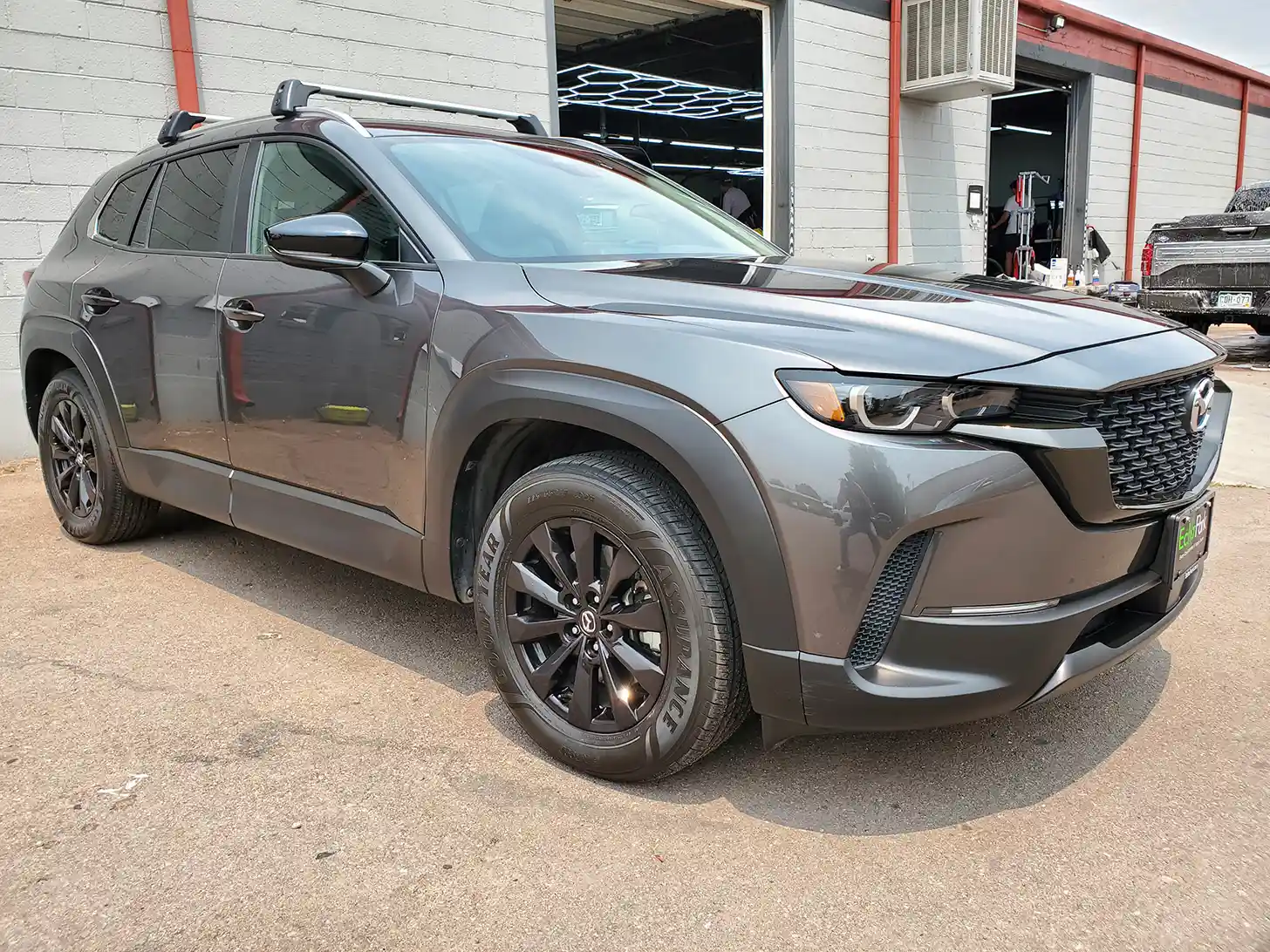
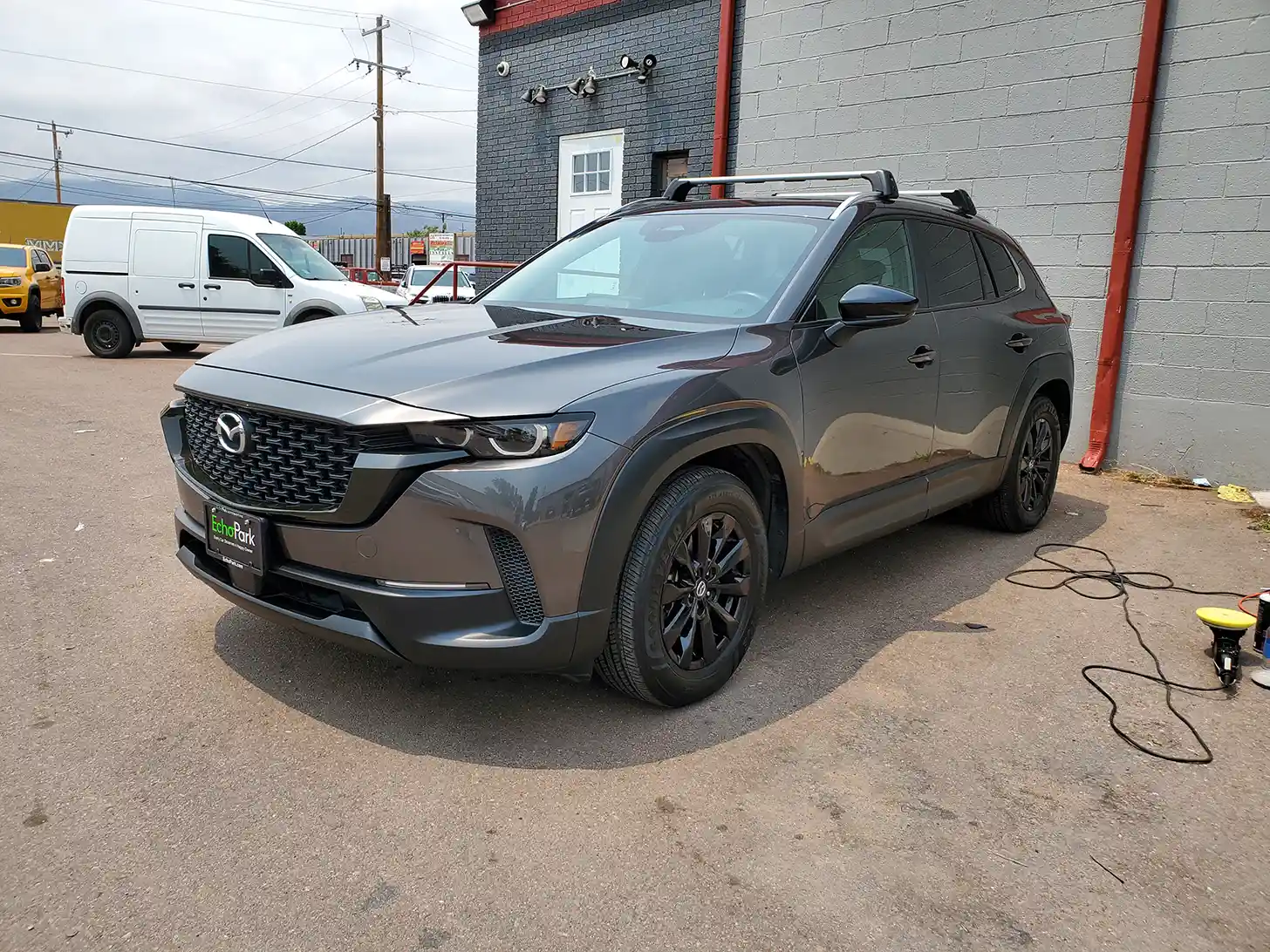
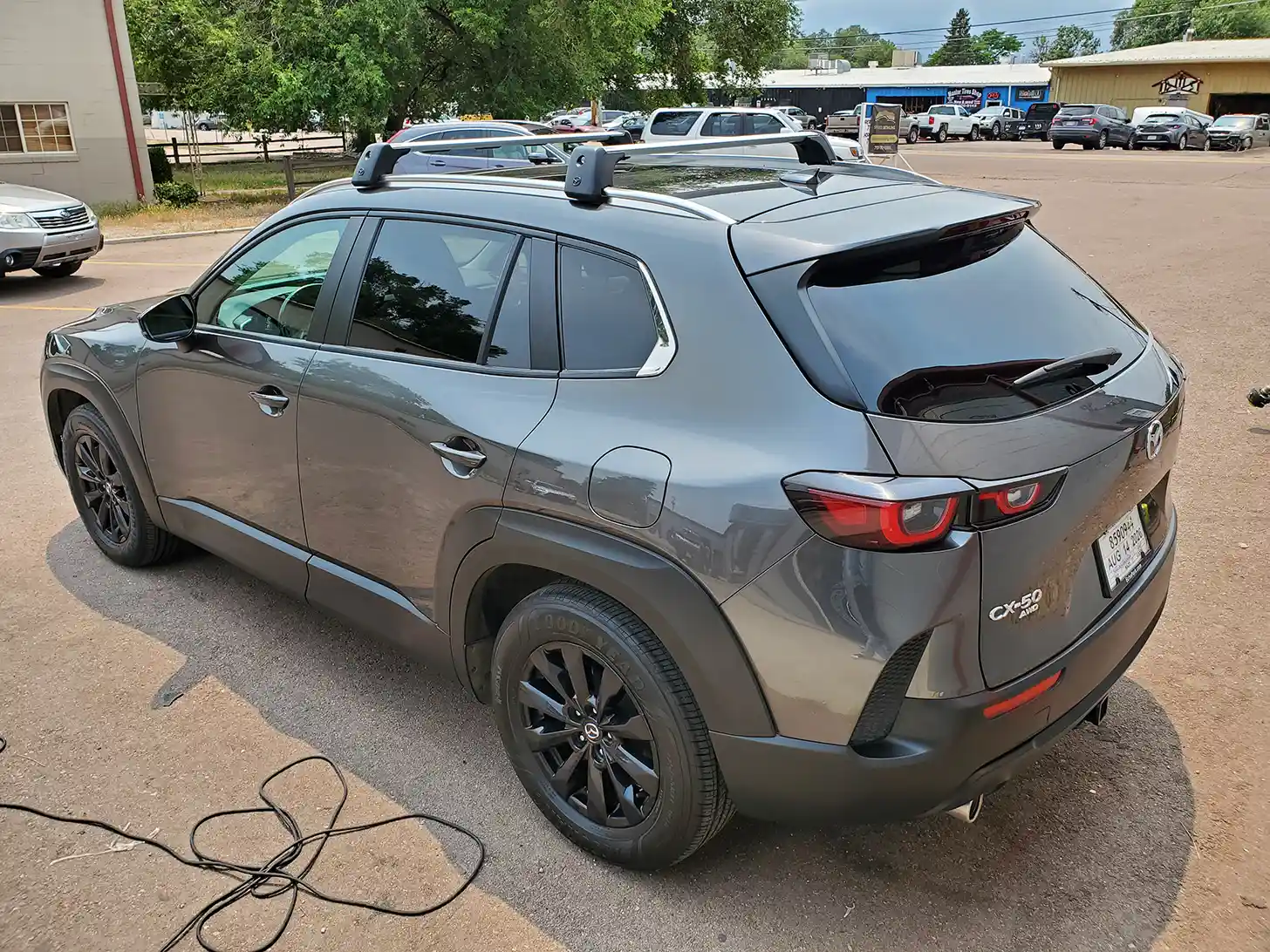
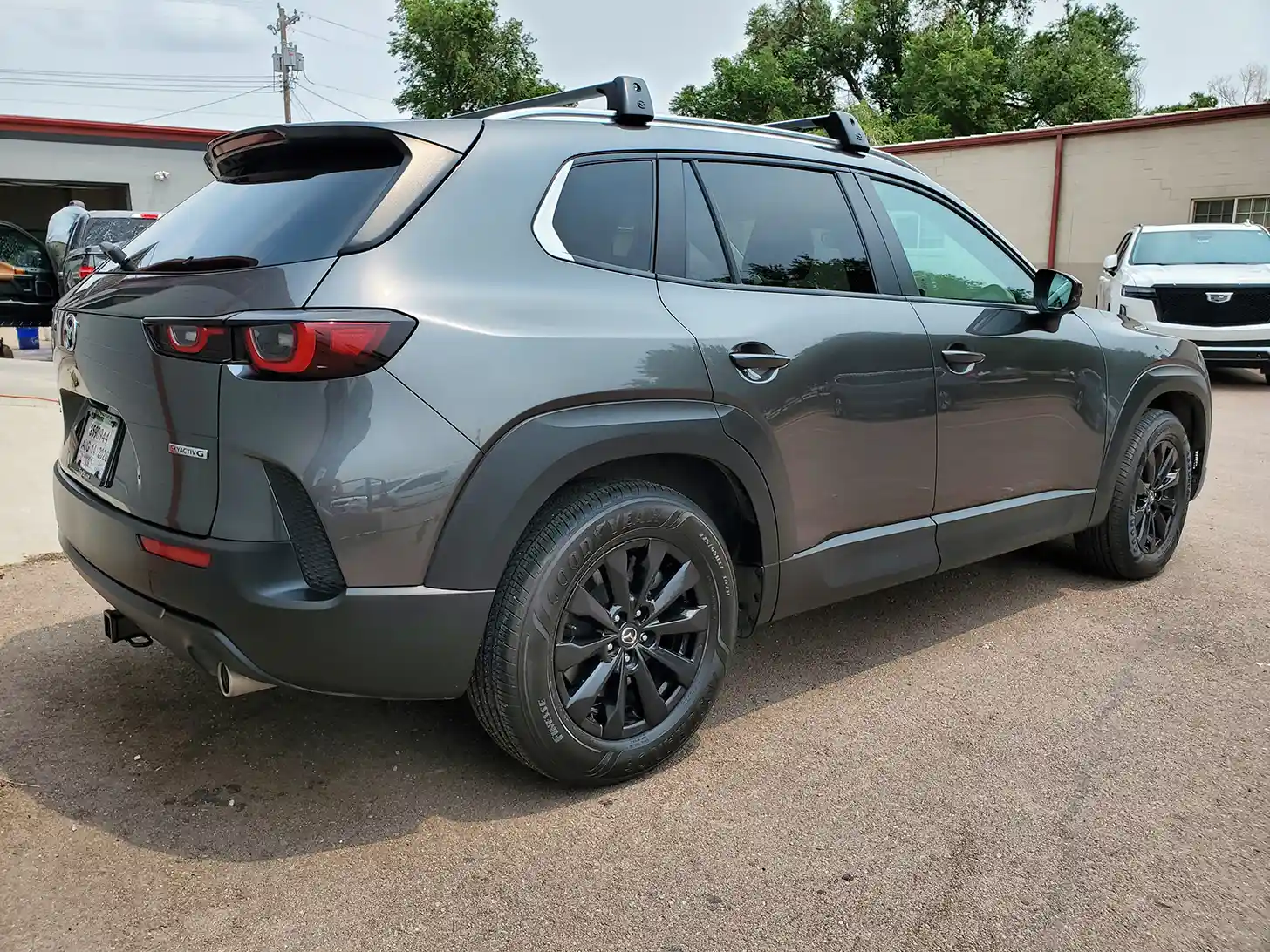
When XPEL announced the film, Director of Product Chris DiMinico said the company is “known for offering the best, high-quality protective solutions on the market.” In my experience, that reputation has been earned. Because our PPF, ceramic coatings and tint come from the same company, we can protect your whole car with one system.
As for the warranty, I’d rather be honest than oversell. Windshield film is a wear item, like tires or wiper blades, and a one-year warranty is a straight answer about that. What you’re really buying is a factory windshield that stays clean while the film does the hard work.
The Honest Downsides of Windshield Film
I wouldn’t be doing my job if I only told you the good parts. No matter the brand, windshield film isn’t bulletproof. A large rock at highway speed or a big Colorado hailstorm can still crack the glass underneath. It also wears out, especially in the wiper path, so eventually you’ll want a fresh piece.
It changes your winter routine, too. Put the ice scraper away and let the defroster do the work, keep fresh wiper blades on the car and don’t run the wipers across a dry, dusty windshield. And it’s an upfront cost. For a car you’re selling next year, it may not pencil out. For a car you love and plan to keep, it usually does.
Why Professional Installation Matters
A windshield is curved in two directions, sits at a steep angle and has cameras, sensors and a mirror mount right in the middle. The film has to be shaped to the glass, applied without dust and trimmed cleanly to the edge. Any mistake shows up right in your line of sight.
“I had Springs Detailing team do a full frontal wrap. The hood, fenders, bumper, the surrounding around the windshield, the headlights and yes even the (brand new) windshield. They also did a great job matching the window tint from the back and added that to the front windows. The Jeep looks SPECTACULAR.” ~ Google Review
This is exactly the kind of work we’ve built Springs Detailing around. We started out working in the back of a car dealership and grew into a full shop because owners wanted that same dealership-level attention to detail. We’re a small crew, and a manager inspects every car front to back, top to bottom, before it’s delivered. Our goal isn’t “good enough.” It’s “as good as new.”
Pairing Windshield Film With PPF, Ceramic Coating and Tint
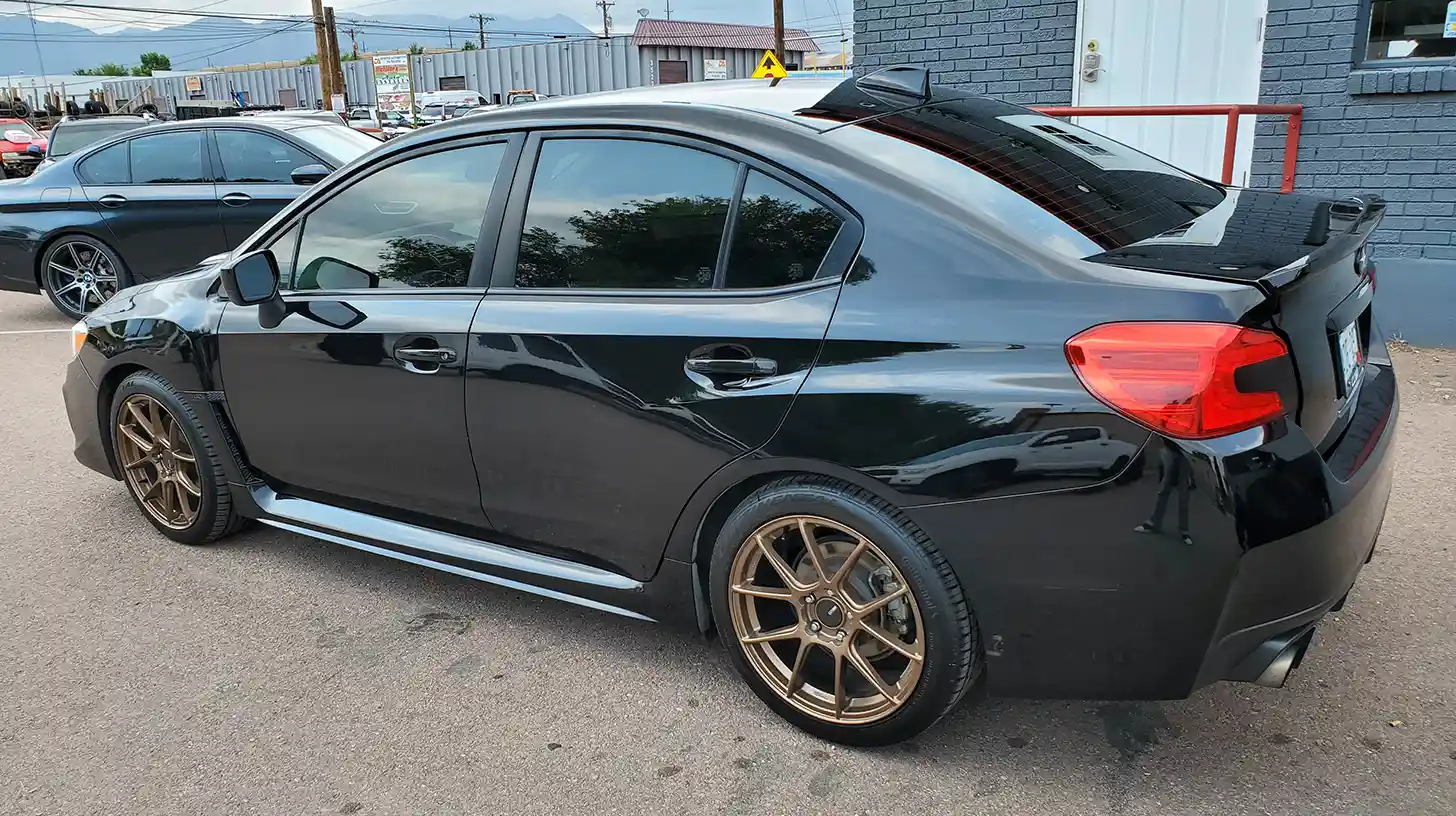
Windshield protection film works best as part of a complete plan. Many owners pair it with full front paint protection film so the hood, bumper and mirrors are protected from the same rocks hitting the glass. Others go with Color Change PPF to change the look of the car while still protecting the factory paint.
Ceramic coating adds gloss and makes cleaning easier, but even XPEL points out that it isn’t designed to stop rock chips on a windshield. That’s the film’s job. Window tint rounds it out by cutting heat and glare, whether you’re heading to the Pikes Peak or Bust Rodeo or spending a Sunday at Fountain Creek Regional Park.
Conclusion
Colorado Springs is a beautiful place to drive, but our roads are hard on glass. With anti-skid on winter streets and the rising cost of replacing windshields on camera-equipped cars, protecting your glass just makes sense.
ClearPlex and ExoShield are both legitimate products, and I’ll give them credit where it’s due. But for clarity, sensor compatibility, installer support and how well it fits a complete protection plan, XPEL is the best choice for windshield protection, and it’s the one we stand behind.
Recommended Reading: Paint Protection For New Cars: Which Method Is Supreme?
Frequently Asked Questions
Is PPF for windshields worth it?
For most newer, luxury or performance vehicles, yes. Replacing a windshield on a car with a forward-facing camera usually means recalibration, and keeping the factory glass protects both the look and value of your car.
How long does windshield protection film last?
It depends on your miles, wiper use and how you care for it. XPEL backs its windshield film with a 1-year warranty. Think of it as a wear item that gets replaced over time while your original glass stays protected.
Will windshield film affect my cameras or sensors?
XPEL states its film does not reduce visibility or affect how windshield sensors perform. That’s one of the main reasons we choose XPEL over budget films.
Can I use my wipers and an ice scraper on it?
Use your wipers normally, but keep the blades fresh and avoid wiping a dry, dusty windshield. Ice scrapers should never touch windshield film. Use your defroster instead.
Can you install windshield film over existing chips?
No. Chips and cracks should be repaired, or the glass replaced, before film goes on. We’ll look at your windshield and give you an honest recommendation.
Ready to Protect Your Windshield?
Protecting your windshield is a lot easier before the damage happens than after. Don’t wait for the next rock on I-25 to make that decision for you. If you love your car, if you want to keep it for years, if you want it to look as good as the day you bought it, come see us at Springs Detailing.