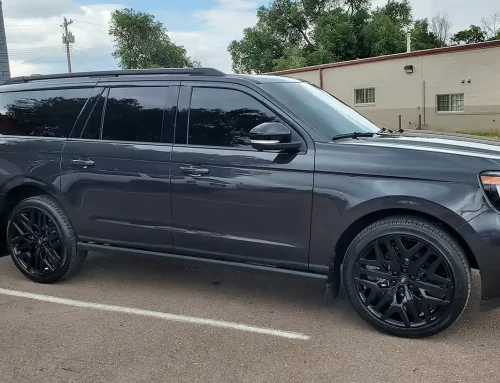
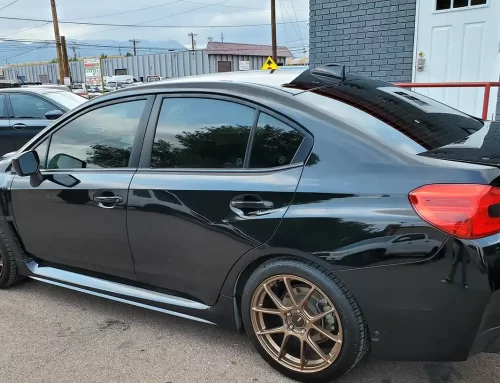
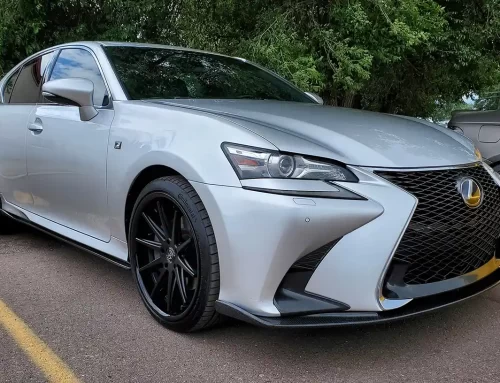
If you’ve been searching for window tint Colorado Springs prices, you’ve probably noticed that the numbers are all over the place. One shop quotes you $99 for the whole car, and the next one wants $600. That spread is crazy confusing!
After over 20 years in the auto appearance business—first working for luxury dealerships and now running my own detail shop here in Colorado Springs—I’ve seen what cheap tint jobs look like six months down the road. Bubbling, peeling, purple-tinted film that makes a $50,000 vehicle look neglected.
This article is going to walk you through what window tinting actually costs in the Colorado Springs area, and what drives those prices up or down. Plus why—especially at our elevation—quality tint is one of the smartest, yet least expensive, investments you can make for your vehicle.
Key Takeaways
- Window tint prices in Colorado Springs generally range from $150 to $800+ depending on vehicle size and film type.
- Ceramic window tint costs more upfront but delivers far better heat rejection and UV protection, and it lasts significantly longer.
- Colorado law requires front side windows to allow at least 27% of visible light through. A professional shop ensures your tint is legal.
- At 6,035 feet above sea level, Colorado Springs residents face approximately 36% more UV radiation than people living at sea level, making window tint more than just a cosmetic upgrade.
- Professional installation by an experienced team prevents the bubbling, peeling, and uneven edges that plague bargain tint jobs.
Table of Contents
- Why Window Tint Matters More in Colorado Springs
- Understanding Window Tint Film Types
- What Window Tint Colorado Springs Prices Actually Look Like
- What Drives the Cost Up or Down
- Colorado Window Tint Laws You Need to Know
- Why Professional Installation Is Worth Every Dollar
- Conclusion
- Frequently Asked Questions
- Additional Resources
Why Window Tint Matters More in Colorado Springs
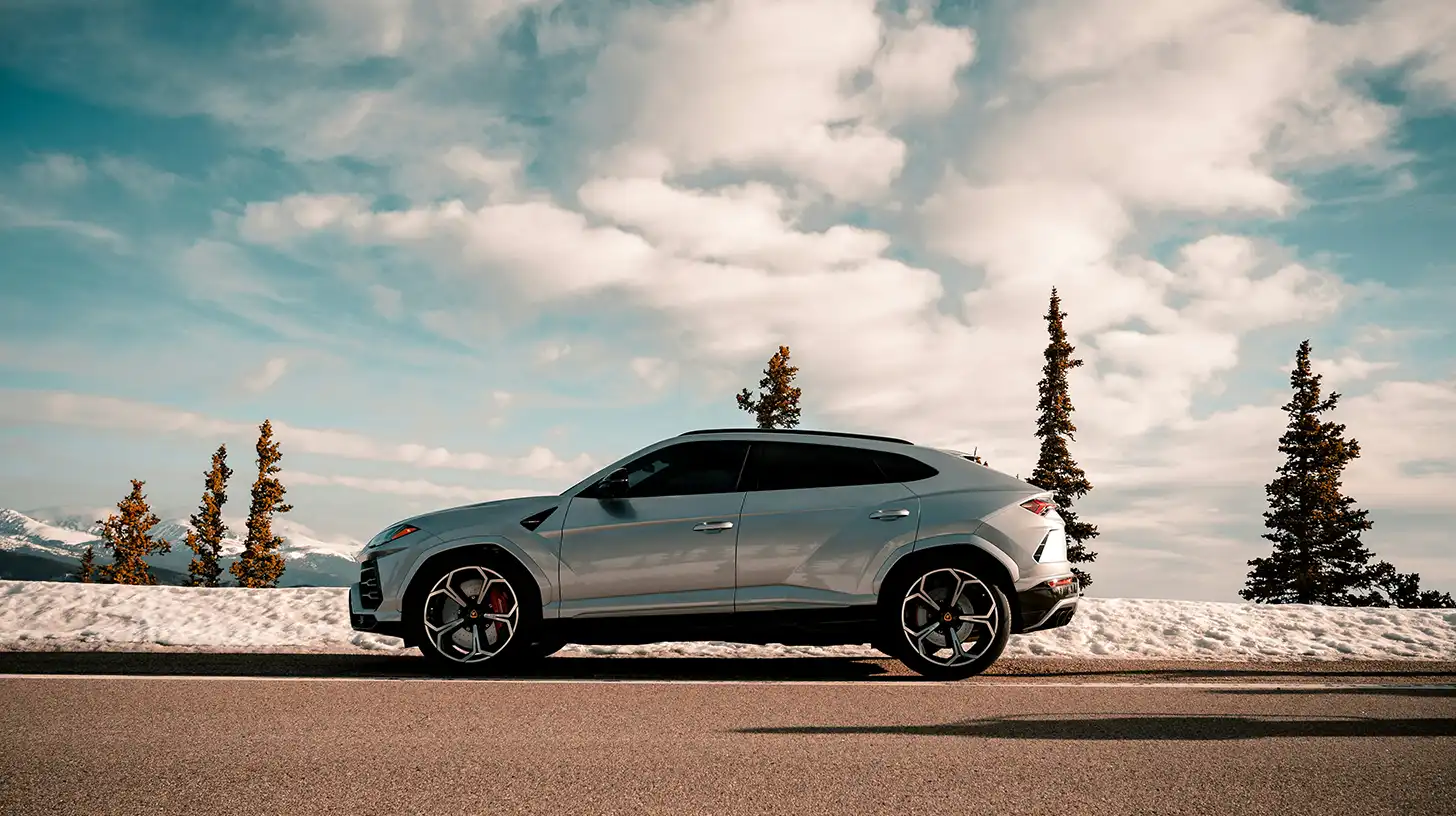
I moved to Colorado Springs back in 2014, and one of the first things I noticed was the sun. It’s not like the sun anywhere else I’ve lived. It hits different here, and there’s a scientific reason for that. Colorado Springs sits at roughly 6,035 feet above sea level, and according to Vanguard Skin Specialists, a dermatology practice right here in town, UV exposure at our elevation is about 36% higher than it is at sea level. That’s not a small number.
If you live in the Broadmoor area and you’re parked in your driveway facing Cheyenne Mountain on a July afternoon, your car’s interior is absorbing punishment that folks at sea level simply don’t deal with. That goes for the leather, the dash, the steering wheel, and—most importantly—your skin. The sun doesn’t care if you’re driving down to Ivywild for coffee or heading up toward Skyway. At this altitude, it’s working on you and your vehicle every single day.
A 2016 study published in JAMA Ophthalmology tested 29 vehicles and found that while front windshields blocked about 96% of UVA rays, side windows only blocked about 71%. That means nearly 30% of those skin-aging, cancer-causing UVA rays are reaching you every time you drive. The Skin Cancer Foundation has recognized window film as an effective form of sun protection, awarding their Seal of Recommendation to tint products that block at least 99% of both UVA and UVB radiation. That’s the standard premium ceramic films meet.
So when someone asks me about window tint Colorado Springs prices, I often start the conversation here, because the “why” matters just as much as the “how much.”
Understanding Window Tint Film Types
Not all window tint is created equal, and the type of film you choose is the single biggest factor in what you’ll pay.
Dyed Film is the entry-level option. It uses a layer of dye to absorb sunlight and cut down on glare. It looks fine on day one, but dyed film fades over time, often taking on that purple hue that screams “cheap tint job.” It also doesn’t do much to block heat. If you’re parking near the Broadmoor Resort Community where that afternoon sun is ridiculously relentless, dyed film won’t deliver the performance your car needs.
Carbon Film is a step up. It uses carbon particles instead of dye, which means it won’t fade the same way. Carbon does a better job of blocking infrared light, keeping your interior cooler without giving off a reflective look. It’s a solid middle-ground option for vehicle owners who want something better than basic but aren’t ready for the top shelf.
Ceramic Film is the gold standard, and it’s what we install most often at our shop. Ceramic tint uses nano-ceramic particles to block up to 95% of infrared heat while maintaining excellent visibility. It won’t interfere with your GPS, phone signal, or radio, and it doesn’t fade over time. When I’m working on a Range Rover or a Porsche coming out of the Kissing Camels area, ceramic is almost always the conversation.
Metallic Film reflects heat well and holds up over time, but the metallic particles can interfere with cell signals and GPS. For most of our customers in Colorado Springs, that’s a dealbreaker.
What Window Tint Colorado Springs Prices Actually Look Like
Let me give you the numbers. I’m not going to sugarcoat this or throw out unrealistically low prices just to get you in the door—that’s not how we operate.
Here’s what you can generally expect to pay for professional auto window tinting in the Colorado Springs area in 2026:
Dyed Film: $150–$250 for a standard sedan. You’ll see some shops around town advertising prices lower than this, but once you factor in quality of film and labor, this is the realistic range for a job that’s done right.
Carbon Film: $250–$450 for most sedans and crossovers. If you drive a mid-size SUV or a truck, expect to be on the higher end because more glass means more film and more labor.
Ceramic Film: $400–$800+ depending on vehicle size, the number of windows, and the specific film brand. Ceramic tint for a sedan typically falls in the $400–$600 range, while larger vehicles like Suburbans, Escalades, or full-size trucks can push past $700.
According to Yelp’s cost guide on window tinting, the national average for a professional tint job runs around $195, but that figure skews toward basic dyed film. If you want premium performance—and in Colorado, you probably should—plan for the ceramic price range.
These window tint prices in Colorado Springs reflect professional installation at a shop that stands behind its work. There’s a difference between a price and a cost. The price is what you pay today. The cost is what it takes to redo it in a year when the cheap stuff fails. Cheap is often expensive.
What Drives the Cost Up or Down
Vehicle size and window count. A two-door coupe is a fundamentally different job than a Chevy Tahoe with eight windows and a panoramic sunroof. More glass equals more film, more labor, and a higher price.
Window complexity. Some vehicles have sharply curved rear windows or unique glass shapes that require more skill and time. Teslas, for example, have large glass panels that demand precision cutting and extra patience during installation.
Film brand and quality. Not all ceramic films are the same. Premium brands with proven track records, such as XPEL, cost more than generic alternatives, but they come with better warranties and more consistent performance. For example, XPEL comes with a lifetime transferable warranty.
Existing tint removal. Old, bubbling tint needs to come off before new film goes on. Proper removal without damaging defroster lines usually adds $50–$150 to the job.
Windshield tint. A visor strip usually runs $50–$100, and full windshield ceramic tinting ranges from $150–$300 depending on the film and legal requirements.
Colorado Window Tint Laws You Need to Know
Before you commit to any shade, you need to understand what’s legal. Colorado has clear regulations, and getting them wrong can mean fines ranging from $15 for a minor infraction up to $5,000 for a misdemeanor violation, according to Window Tint Laws in Colorado.
Windshield: Non-reflective tint is allowed only on the top four inches.
Front side windows: Must allow more than 27% of visible light through (27% VLT minimum). This applies to both sedans and SUVs.
Rear side windows and rear window (sedans): Must also allow more than 27% of light through.
Rear side windows and rear window (SUVs, trucks, vans): Any darkness is permitted, as long as the vehicle has dual side mirrors.
Reflective and metallic tint: Prohibited on all windows.
Restricted colors: Red and amber tints are illegal.
One thing that surprises a lot of people is that Colorado does not allow medical exemptions for darker tint. Unlike some neighboring states, there’s no waiver process. A professional shop that knows Colorado Springs window tint regulations will make sure your tint is compliant before it ever goes on the glass.
Why Professional Installation Is Worth Every Dollar

I’ve been in the paint and auto appearance business for just over 20 years. I started doing paint touch up for dealerships when I first moved to Colorado Springs, and I built that up one account at a time. Eventually I opened a brick-and-mortar shop because I saw a need for a place that held itself to a higher standard—not a faster standard, but a higher one.
When I see a car with bubbling tint, uneven edges, or gaps along the seals, I know exactly what happened. Somebody tried to save $100 by going to the cheapest option they could find. And now, six months later, they’re paying someone to strip it off and start over.
Professional installation means the film is precision-cut to fit your specific vehicle, properly applied to avoid contamination, and inspected before your car leaves. At Springs Detailing, a manager inspects every car front to back, top to bottom, before it’s delivered. We get our satisfaction from the look on a customer’s face when they see the finished product and they just can’t believe how good it looks.
When you factor in the warranty that comes with professional-grade film and installation, the math works in your favor. A quality ceramic tint installed by experienced hands will last a decade or more. A cheap dyed film installed by someone without the right experience might last a year before it starts falling apart.
Conclusion

When you start looking at window tint Colorado Springs costs, the numbers can be confusing. You’ll find shops advertising rock-bottom deals and others charging premium prices, and if you don’t know what separates them, you might end up making a decision you’ll regret…every time you look at your vehicle.
Here’s what it comes down to. The type of film matters. The installer matters. The warranty matters. And in a place like Colorado Springs—where the altitude intensifies UV exposure, where the sun is relentless from Broadmoor Bluffs to the base of Pikes Peak, and where your vehicle’s interior takes a beating every single day—the quality of your window tint matters more than almost anywhere else in the country.
At Springs Detailing, we’ve spent years building a reputation for doing things right. We’re veteran owned, we’ve been in the auto detailing business for two decades, and we don’t cut corners. When you bring your vehicle to us for window tinting, you’re getting professional-grade film, precision installation, and a team that inspects every job before it leaves our shop.
Ready to protect your investment and see the difference that professional window tinting makes? Contact Springs Detailing today to schedule a consultation and get an honest quote for your vehicle. We serve all of Colorado Springs and the surrounding communities, and we’d love to show you why our customers keep coming back.
Frequently Asked Questions
How much does it cost to tint car windows in Colorado Springs?
Window tinting prices in Colorado Springs typically range from $150 to $800 or more depending on your vehicle’s size, window complexity, and the type of film you choose. Basic dyed film for a sedan starts around $150, while premium ceramic tint for an SUV or truck can exceed $700. The best way to get an accurate estimate is to bring your vehicle to a professional shop.
What is the darkest legal window tint in Colorado?
Colorado requires front side windows to allow at least 27% of visible light through (27% VLT). For sedans, rear windows also must meet the 27% minimum. SUVs, trucks, and vans have more flexibility—rear windows can be any darkness with dual side mirrors. Red, amber, and metallic or mirrored films are prohibited statewide.
Is ceramic window tint worth the extra cost?
Absolutely—especially in Colorado Springs. Ceramic tint blocks up to 95% of infrared heat without interfering with electronics, won’t fade over time, and provides superior UV protection. At our elevation, the protection ceramic film provides for both your interior and your skin makes it a worthwhile investment. Most quality ceramic tints, such as XPEL, come with lifetime warranties.
How long does professional window tint last?
Professional-grade ceramic film can last 10 years or more with proper care. Lower-quality dyed films tend to degrade faster—often showing fading, bubbling, or peeling within a few years. Avoiding abrasive cleaners on tinted surfaces helps extend the life of any film.
Does window tint really block UV rays?
Yes. Premium ceramic and carbon films can block up to 99% of harmful UVA and UVB radiation. The Skin Cancer Foundation awards its Seal of Recommendation to window tint products that meet this standard. Given that untinted side windows may only block around 71% of UVA rays, professional window tint is a meaningful step toward reducing cumulative UV exposure while driving.
Can I get a ticket for illegal window tint in Colorado?
Yes. Officers use handheld tint meters to measure VLT during traffic stops. Penalties range from a Class B traffic infraction ($15–$100 fine) up to a misdemeanor with fines as high as $5,000. A professional installer who understands Colorado’s tint laws will ensure your vehicle stays compliant.
How long does window tint installation take?
Most vehicles take two to four hours. Larger vehicles or jobs requiring old tint removal may take longer. After installation, the film needs one to two weeks to fully cure. Small water bubbles during this period are normal and will dissipate as the adhesive dries.