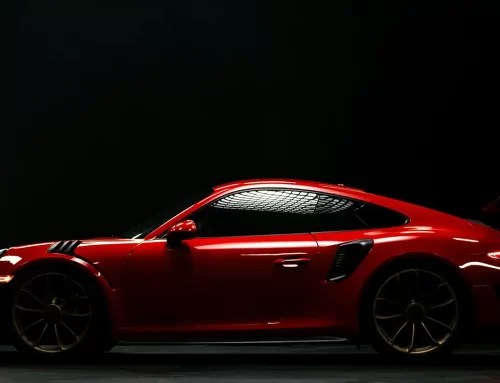
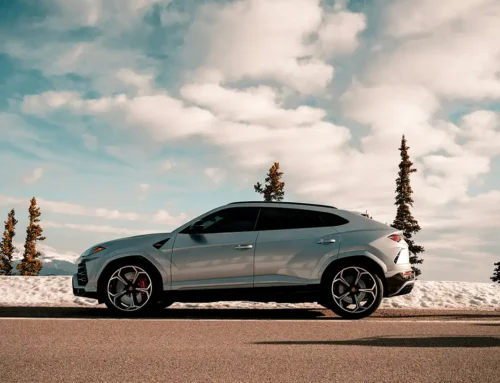
Winter in Colorado Springs brings breathtaking mountain views—but serious challenges for your vehicle’s finish. From the corrosive effects of magnesium chloride on our roads to the abrasive nature of ice and snow removal, your car’s paint usually takes a beating from October through May. As a detailing shop with over 20 years of experience in paint correction and touch-up, we’ve seen firsthand what Colorado winters do to vehicles that aren’t properly protected.

The good news? You don’t have to watch your investment deteriorate. From smart driving habits and proper snow removal techniques to professional-grade solutions like ceramic coatings, paint protection film, window tint, and regular luxury detailing—you can protect your car from snow damage and keep it looking showroom-fresh, no matter how harsh the season gets.
Key Takeaways
- Road treatments like magnesium chloride are particularly damaging to chrome, plastic trim, and unprotected paint surfaces
- Garage storage, proper snow removal techniques, and strategic driving habits provide foundational protection against winter damage
- Professional window tint protects interior surfaces from UV damage while improving comfort during cold months
- Professional ceramic coatings create a hydrophobic barrier that repels snow, ice, salt, and grime while making winter maintenance significantly easier
- Paint protection film provides physical protection against rock chips, road debris, and chemical damage that ceramic coatings alone cannot offer
- Combining PPF with ceramic coating delivers the ultimate defense against Colorado’s winter assault on your vehicle
- Regular professional detailing throughout winter prevents contaminant buildup and preserves your vehicle’s protection layers
Table of Contents
- Understanding Colorado’s Winter Threat to Your Vehicle
- How Snow and Road Treatments Damage Your Paint
- Proven Strategies to Protect Your Car From Snow Damage
- XPEL Ceramic Coating: Your First Line of Defense
- XPEL Paint Protection Film: Physical Protection Against Winter’s Worst
- The Power of Combining PPF and Ceramic Coating
- Professional Detailing: Maintaining Your Winter Protection
- Why Professional Installation Matters
- Conclusion
- Frequently Asked Questions
- Additional Resources
Colorado’s Winter Threat to Your Vehicle
If you’ve lived in Colorado Springs for any length of time, you know our winters are often no joke. According to climate data, our city receives an average of 57 inches of snow per year—significantly higher than the national average of just 28 inches. That’s months of exposure to snow, ice, and the chemicals used to keep our roads drivable.
Whether you’re navigating the winding roads near the Broadmoor, commuting through Cheyenne Hills, or heading to Ivywild, your vehicle faces the same challenges. At Springs Detailing, we’ve been helping vehicle owners in Motor City and throughout the Pikes Peak region protect their cars from snow damage for years—and we’ve seen what happens when vehicles aren’t properly protected.
How Snow and Road Treatments Damage Your Paint
Many vehicle owners assume snow itself is the enemy. The truth is more complicated. While snow and ice can cause issues—especially if removed improperly—the real villain is what gets applied to our roads.
The Magnesium Chloride Problem
Unlike states that use traditional rock salt, Colorado primarily uses magnesium chloride to treat icy roads. While this means less rust on undercarriages, mag chloride is particularly aggressive on chrome trim, plastic components, and painted surfaces. We’ve seen countless vehicles with etched chrome letters, chalky plastic trim, and deteriorating clear coats—all from mag chloride exposure. It’s the devil I tell you!
The National Weather Service reports Colorado Springs received 21.6 inches of snow during winter 2022-2023—8 inches above normal (NWS Pueblo). Each time road crews treat our highways, vehicles pick up mag chloride spray that settles into every surface.
Salt, Sand, and Improper Snow Removal
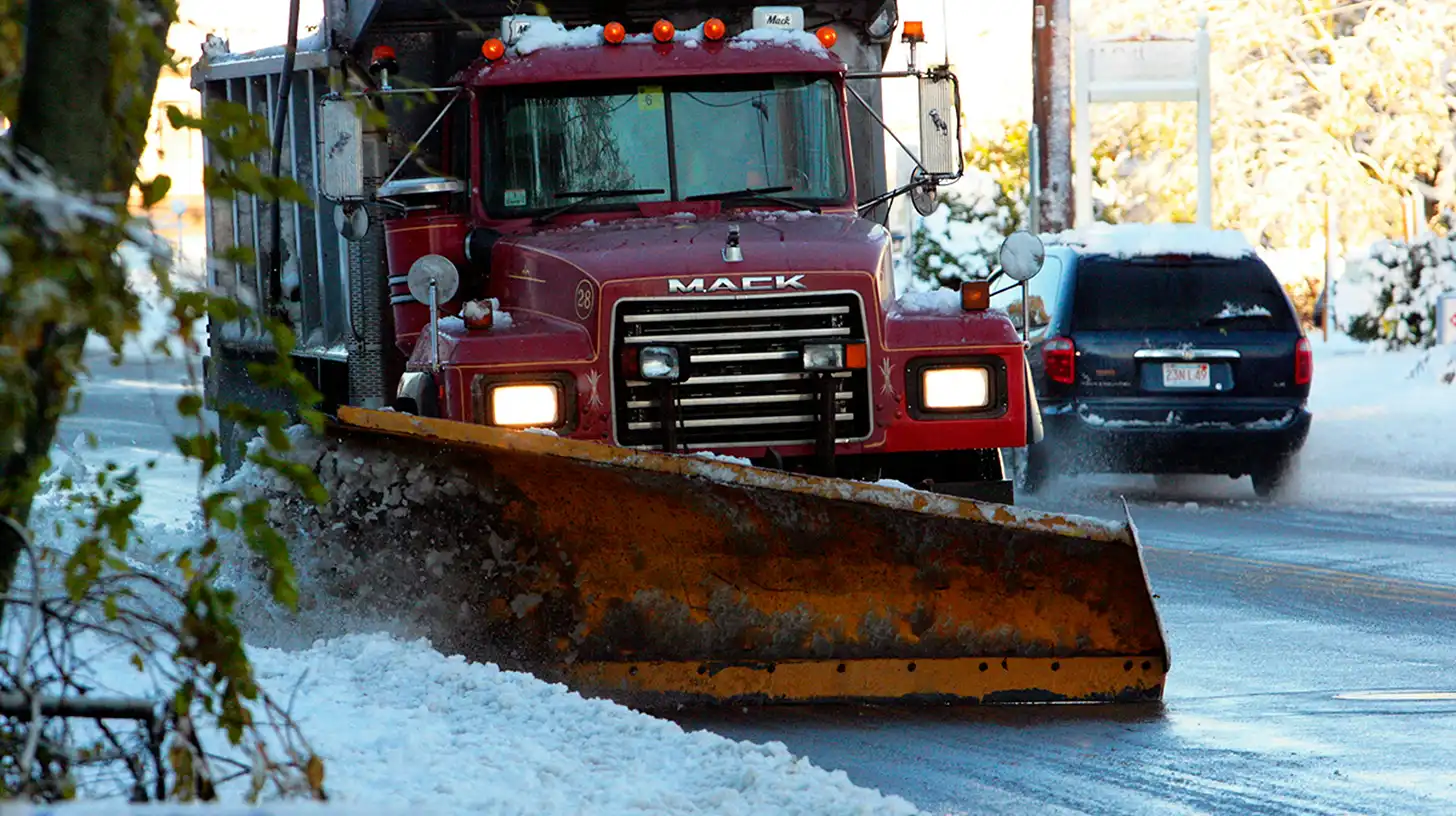
When you venture outside the immediate area or during severe storms, you may encounter traditional road salt and sand. Salt accelerates oxidation and rust formation by attracting moisture against vehicle surfaces. Sand acts as an abrasive creating micro-scratches with every pass.
Even snow removal can damage your vehicle. According to automotive experts, improper removal is one of the most common causes of winter paint scratches. Those small scratches become entry points for moisture and contaminants.
Strategies to Protect Your Car From Snow Damage
Before jumping into professional protection services, let’s cover the full range of strategies that shield your vehicle from winter’s assault.
Garage Storage and Covered Parking

The simplest way to protect your car from snow is keeping it out of the elements. Covered parking dramatically reduces exposure to snow, ice, and temperature fluctuations that stress paint. For those without garage access, invest in a quality breathable car cover—avoid cheap plastic tarps that trap moisture.
Strategic Driving and Parking Habits
Avoid driving immediately after salt trucks pass when concentrations are highest. Steer clear of deep slush where road treatments accumulate. When parking, stay away from snowbanks that deposit salt directly onto your vehicle’s lower panels.
Proper Snow Removal Techniques
Never use metal tools or stiff brushes to clear snow. Invest in a foam-headed snow brush designed for automotive paint. Let your car warm up first—this loosens snow and ice, making removal safer. Always brush snow away from the vehicle rather than dragging it across painted surfaces.
Pre-Winter Paint Touch-Up
Existing chips and scratches become entry points for moisture and corrosive chemicals. Have paint damage professionally touched up before winter arrives. At Springs Detailing, paint touch-up has been our specialty for over 20 years—addressing these vulnerable spots prevents small problems from becoming major repairs.
Window Tint for Interior Protection
Quality window tint blocks UV rays that fade dashboards, leather seats, and interior trim year-round. Tint also helps regulate cabin temperature and reduces strain on your heating system during cold starts. Springs Detailing offers professional window tinting that complements our exterior protection services.
Regular Winter Washing
Consistent washing is one of the most effective winter protection strategies. Aim to wash your vehicle every one to two weeks, focusing on the undercarriage and wheel wells where contaminants accumulate. Choose touchless washes or professional detailing to avoid scratching.
Now let’s explore professional-grade protection services that provide comprehensive defense against Colorado winters.
Ceramic Coating: Your First Line of Defense

When vehicle owners ask us how to protect their car from snow and winter conditions, ceramic coating is often our first recommendation. At Springs Detailing, we trust XPEL ceramic coatings because they deliver professional-grade results that stand up to Colorado’s demanding winters.
What Makes Ceramic Coating Effective
A ceramic coating is a liquid polymer that chemically bonds with your vehicle’s factory paint, creating a protective layer that standard waxes cannot match. Once cured, it forms an exceptionally smooth, hydrophobic surface that causes water, snow, and contaminants to bead up and roll away.
For Colorado Springs winters, ceramic coating offers critical benefits. Snow and ice don’t stick as aggressively, making removal faster and safer. Water sheets off, taking road grime and mag chloride with it. Research indicates vehicles treated with ceramic solutions experience significantly reduced salt and chemical corrosion.
Winter-Specific Benefits
The smooth surface means contaminants have nothing to grip. Mag chloride can’t penetrate micro-imperfections because they’ve been filled and sealed. Even UV protection matters during Colorado winters—our high altitude means UV rays remain potent year-round, and ceramic coating keeps your vehicle’s color vibrant.
Professional Application Matters
Ceramic coating is not a DIY project if you want professional results. Proper preparation—including thorough washing, clay bar treatment, and often paint correction—is essential. At Springs Detailing, every application includes comprehensive preparation to ensure the coating bonds properly and performs at its best through multiple Colorado winters.
Further Reading: How Much Does Ceramic Coating Actually Cost?
PPF: Protect Against Winter’s Worst

While ceramic coating excels at chemical resistance, it has limitations. Ceramic coatings cannot stop a rock chip or prevent physical impact damage. That’s where paint protection film enters the picture.
Understanding Paint Protection Film
Paint protection film (PPF) is a thermoplastic urethane film applied to vulnerable vehicle areas. Films are virtually invisible when properly installed, maintaining your vehicle’s appearance while providing serious physical protection. What sets XPEL apart (we swear by this product) is their self-healing technology—minor scratches literally disappear when exposed to heat from the sun or engine.
Winter Protection Advantages
During Colorado winters, your vehicle generally faces constant bombardment from road debris. Gravel, sand, and ice chunks on highways like I-25 can chip unprotected paint instantly. PPF absorbs these impacts, protecting the paint underneath.
Outstanding customer service and excellent work from start to finish. This isn’t the cheapest shop in town, but once you see the quality of the work, you understand why. The attention to detail and pride they take in what they do really shows. They’ve been a locally owned Springs business for over 20 years, and that experience comes through in every step of the process. I had PPF on my Tundra done. Supporting local is easy when the work speaks for itself. I will be returning. ~ Brian B.
Coverage Options
We typically discuss a few levels of PPF coverage. A partial front-end package covers the hood, front bumper, fenders, and mirrors. Full front coverage extends to A-pillars and rocker panels. Full vehicle coverage wraps nearly every painted surface—popular among high-end vehicle owners wanting maximum winter protection.
Suggested Reading: Pros & Cons of Installing Clear Bra on New Cars
The Power of Combining PPF and Ceramic Coating
At Springs Detailing, we’ve found the most comprehensive winter protection comes from combining XPEL paint protection film with XPEL ceramic coating.

Why Layered Protection Works
PPF handles physical impacts—rock chips, road debris, scratches. Ceramic coating adds chemical resistance, UV protection, and hydrophobic properties. Together, they create a defense system greater than either product alone.
When you apply ceramic coating over PPF, the film gains enhanced chemical resistance and becomes even easier to clean.
Decided to go all in on my 2018 LX570. Plan to keep this great V8 vehicle many years. So I invested in a full front PPF, including the grill and 8 year ceramic coating. OJ and his team did a phenomenal job on the paint correction. He said it would have a better shine than the day I bought it and he was right. A great investment in a vehicle I plan to keep for many years to come. They earned my lifetime loyalty. ~ Michael S.
Investment Protection
For residents of Skyway, Kissing Camels, or the Broadmoor area who drive premium vehicles, this combination makes particular sense. A well-maintained exterior can mean a resale value noticeably higher than neglected vehicles. Professional protection services often pay for themselves.
Expert Detailing: Maintaining Winter Protection
Even with ceramic coating and PPF installed, your vehicle needs regular professional attention during winter.
The Importance of Winter Detailing
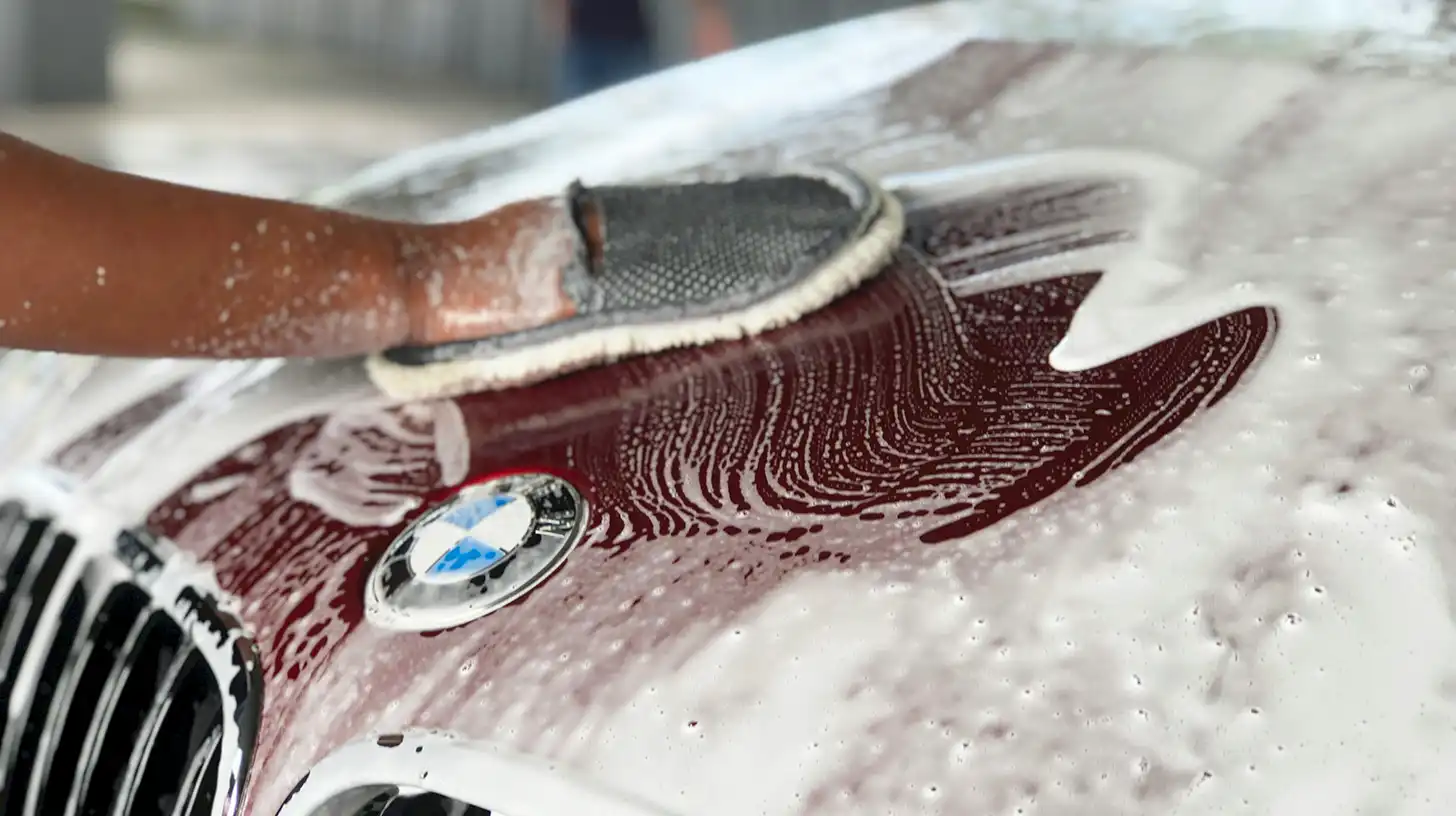
At Springs Detailing, our manager inspects every car front to back before delivery—because “good enough” isn’t our standard. Regular professional washing removes salt, mag chloride, and grime before they cause problems, using techniques that protect your coating layers.
For vehicles with PPF, we inspect film edges for lifting that could allow moisture underneath. Ceramic coating maintenance includes topper products that refresh hydrophobic properties.
How Often Should You Detail in Winter?
We recommend professional detailing every two to four weeks during heavy winter months. For customers in Forest Meadows, Oak Valley Ranch, or Mountain Shadows who navigate mountain roads regularly, more frequent attention may be appropriate.
Why Professional Installation Matters

Throughout this discussion, we’ve emphasized professional installation. This isn’t marketing speak—it’s based on 20+ years of experience seeing what works.
The Experience Difference
Ceramic coatings require meticulous surface preparation. Paint correction may be necessary before coating. PPF demands even more precision—the film must be applied without bubbles or misalignment. Complex curves require skilled fitting. At Springs Detailing, we’ve refined our processes over two decades.
The Cost of Getting It Wrong
DIY products rarely deliver the protection or longevity of professional-grade coatings. Improperly applied coating can trap contamination and fail prematurely. Amateur PPF installation often results in visible imperfections or lifting edges.
What Sets Springs Detailing Apart
We’re not just technicians—we’re enthusiasts who genuinely care about how cars look. Our satisfaction comes from seeing owners “can’t believe” how good their car looks. As a veteran-owned business, we bring discipline, attention to detail, and commitment to excellence to every job.
I had the pleasure of having my new Civic Type R detailed at Springs Detailing. I had them do a full front ppf, ceramic coating, and ceramic window tint. They did a fantastic job and even went above and beyond expectations. I had some hesitation with what tint I wanted initially. They went ahead and redid some work they already had done to go to a tint I was more comfortable with. They did it without question! What great service. I am completely happy with the work they did and would recommend them for anyone who’s interested in having detail work done to their vehicle! ~ San F.
Conclusion
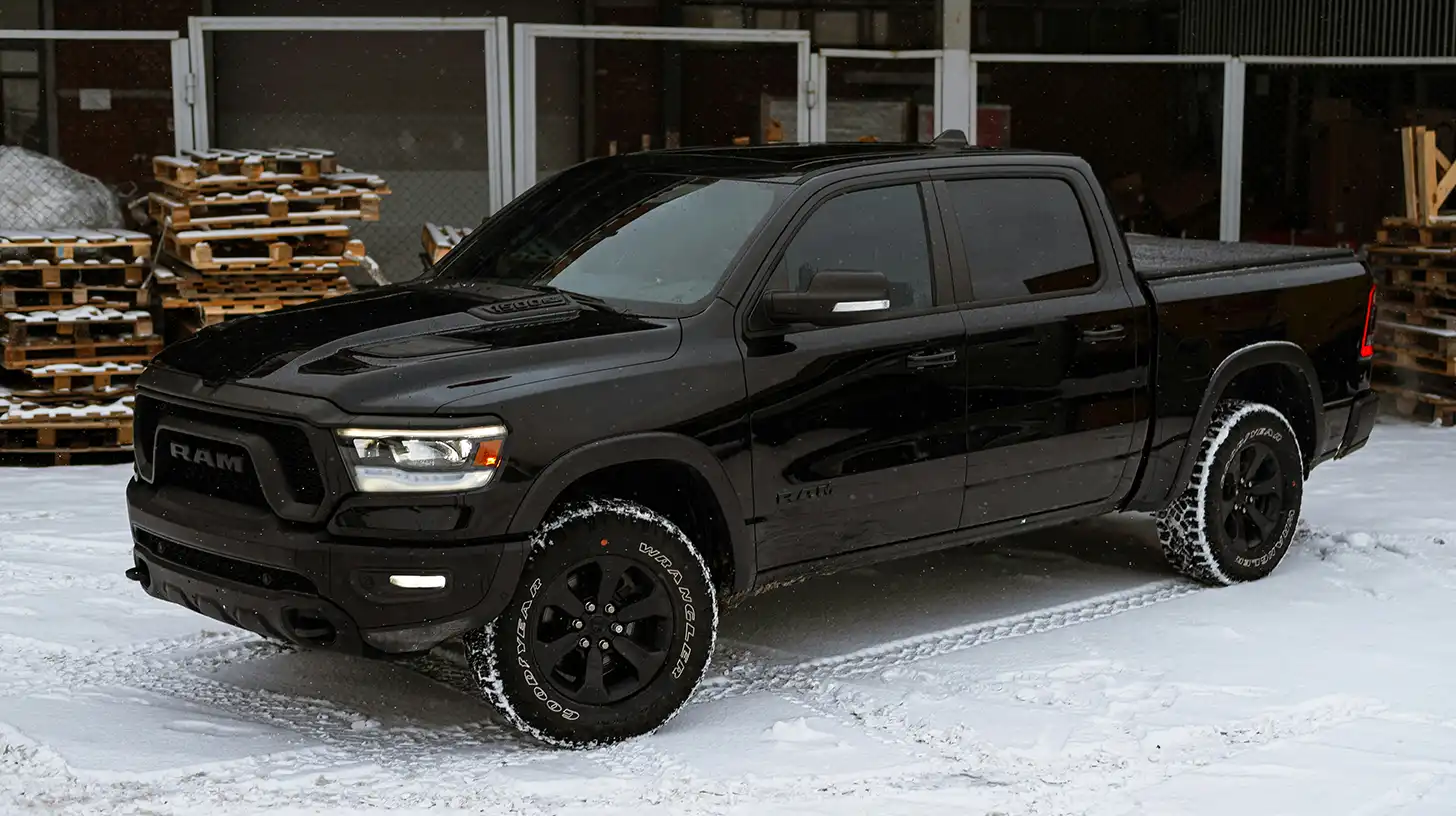
Colorado Springs winters demand more from your vehicle’s protection than most climates. With nearly double the national average snowfall, aggressive road treatments, and a season stretching from October through May, threats to your vehicle’s finish are serious and sustained.
But winter damage isn’t inevitable. Smart habits like garage storage, proper snow removal, and strategic driving provide a foundation. Professional services—XPEL ceramic coating for chemical resistance, paint protection film for physical defense, window tint for interior protection, and regular detailing to maintain those layers—keep your vehicle looking showroom-fresh regardless of conditions.
At Springs Detailing, we’ve spent over 20 years perfecting paint protection and correction. We’ve helped countless vehicle owners throughout Colorado Springs protect their investments from winter’s worst.
Ready to protect your car from snow and everything else Colorado winters bring? Contact Springs Detailing today. Your vehicle deserves the best protection available—and so do you.
Frequently Asked Questions
How long does ceramic coating last through Colorado winters?
Professional-grade ceramic coatings typically last 2-5 years with proper maintenance (4-8 year warranty with XPEL). The key is professional application and following care guidelines—including regular washing with pH-neutral products and avoiding automatic brush car washes.
Is paint protection film worth the investment for winter driving?
For Colorado Springs drivers, PPF provides significant value protecting against road debris, gravel, and sand. XPEL Ultimate Plus PPF is backed by a 10-year manufacturer warranty. When factoring in paint repair costs or resale value impact, professional PPF often pays for itself.
Can I apply ceramic coating myself to save money?
While DIY products exist, they rarely deliver professional-grade protection or longevity. Professional application includes thorough surface preparation, paint correction, and controlled conditions—all significantly impacting performance. DIY is usually more expensive when it’s all said and done.
How often should I wash my car during winter with ceramic coating?
We recommend professional washing every one to two weeks during active winter months. While ceramic coating makes cleaning easier, you shouldn’t allow salt and mag chloride to accumulate.
What areas of my car are most vulnerable to winter damage?
The front bumper, hood, fenders, and mirrors face highest risk from road debris. Rocker panels, wheel wells, and lower doors are most exposed to salt spray. Chrome trim and plastic are particularly susceptible to mag chloride.
How soon before winter should I have protection applied?
Ideally, schedule installation in early fall before significant snowfall. This allows proper curing time. However, our shop environment allows year-round application.
Will ceramic coating prevent ice from sticking to my car?
Ceramic coating’s hydrophobic properties significantly reduce ice adhesion. Snow and ice release more easily from coated surfaces. While coating won’t prevent all ice formation, it reduces how aggressively ice bonds to your vehicle.