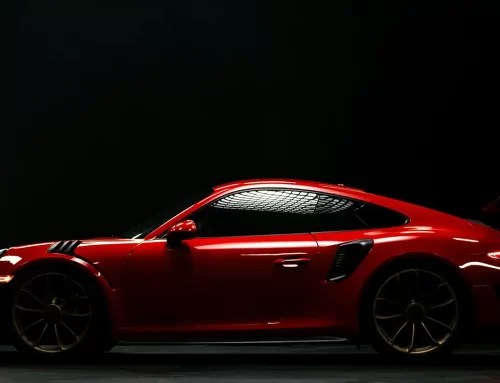
If you have ever looked at your car under the bright Colorado sun and noticed a web of fine scratches covering the hood, you are not alone. Those marks—called swirl marks—are one of the most common paint problems we see at Springs Detailing, and they can turn a well-maintained vehicle into something that looks tired and neglected.
The good news is that professional paint touch-up and paint correction can remove these defects and bring your finish back to life. In this article, I am going to walk you through what causes swirls and scratches, why professional correction matters, and how our team here in Colorado Springs can help you fall in love with your car all over again.

Key Takeaways
- Swirl marks are micro-scratches in your clear coat that appear circular under light, making paint look dull and aged
- Common causes include improper washing techniques, contaminated towels, and environmental factors
- Professional paint correction permanently removes defects by leveling the clear coat, unlike products that mask them temporarily
- Paint condition directly affects resale value, with visible scratches potentially reducing value by 10% or more
- Protecting corrected paint with ceramic coating or paint protection film preserves your investment for years
Table of Contents
- What Are Swirl Marks and Why Do They Matter
- The Real Causes of Paint Damage
- Why DIY Solutions Often Fall Short
- The Professional Paint Correction Process
- Paint Touch-Up for Chips and Deep Scratches
- How Paint Condition Affects Your Car’s Value
- Protecting Your Investment After Correction
- What to Expect at Springs Detailing
- Conclusion
- Frequently Asked Questions
- Additional Resources
What Are Swirl Marks and Why Do They Matter

I have been working on car paint for over 20 years, and one thing I can tell you is that swirl marks are not what most people think. When you look at a dark-colored car parked in Briargate or sitting in a driveway in Broadmoor, you might notice what looks like circular scratches covering the surface. They catch sunlight and create that spider-web pattern making your paint look hazy and old.
Here is the truth: those swirls are not actually circular scratches. They are random micro-scratches running in every direction, and the reason they appear circular is the way light reflects off them. The sun is a circular light source, and as your eye moves across the paint, the reflections follow that circular pattern.
According to Professional Carwashing & Detailing magazine, swirl marks begin forming at the factory and worsen over time from the dealership to every mile driven and season parked outside. Even brand new cars can have micro-scratches under the right lighting.
These marks matter because they scatter light instead of reflecting it cleanly. A car with heavy swirling looks dull even after a wash, while a properly corrected vehicle has that deep, wet shine that makes people stop and stare.
The Real Causes of Paint Damage

When customers bring vehicles to our shops, they often ask what caused the damage. Some blame the car wash on Academy Boulevard or think a single bird dropping caused everything. The reality is more complicated.
The biggest culprits are everyday washing and drying mistakes. Using a dirty wash mitt or towel drags microscopic particles across your paint like sandpaper. Wiping down a dusty car with a dry cloth—something people do after driving through Fountain or near Falcon—grinds dirt right into the surface.
Professional detailing experts have identified the most common sources of swirl damage: harsh polishing compounds, towels containing polyester threads, dirty chamois, wiping dusty cars with dry towels, and not properly rinsing before washing.
Environmental factors play their role too. Here in Colorado Springs, we deal with intense UV rays at our altitude, blown dust from construction sites, and debris from parking under trees near Monument. Each can etch or scratch your paint if not addressed promptly.
Paint damage is cumulative. It builds over months and years of normal ownership. That is why a three-year-old vehicle can look tired while a ten-year-old car with proper maintenance still turns heads.
Why DIY Solutions Often Fall Short
I understand wanting to handle things yourself. You see products at auto parts stores promising to remove scratches, and the price looks reasonable. But most of those products do not actually remove swirl marks—they fill them temporarily or add a glaze that hides damage until your next wash.
True paint correction requires removing a thin layer of clear coat to level the surface and eliminate scratches. This takes specialized equipment—professional-grade dual-action polishers, various compounds and polishes, and multiple pads for different correction stages. It also takes knowledge of how much pressure to apply and when to switch products.
The clear coat on modern vehicles is less than three mils thick—thinner than a Post-it note. Removing too much creates thin spots that can fail, and inconsistent polishing leaves buffer trails that look worse than the original swirls.
At Springs Detailing, we have spent years developing techniques and investing in professional equipment. Our crew knows how to read paint, measure clear coat thickness, and achieve consistent results. That expertise separates “good enough” from “as good as new.”
The Professional Paint Correction Process
When you bring your car to us, we do not just grab a buffer and start polishing. Paint correction is a methodical process.
First, we perform a thorough wash and decontamination. This removes surface dirt plus bonded contaminants like iron particles and tar that washing alone cannot address. We use clay bar treatment to achieve a glass-smooth surface.
Next comes inspection under specialized lighting. Our technicians examine every panel to identify defect type and severity. Some cars need a single-stage polish; others require multi-step correction with cutting compounds followed by finishing polishes.
“I’ve used this company for the past 6 months with my dealership I manage for Phil Long. The owner OJ is the best detailer, paint touch up, and ceramic coating installer I’ve ever seen. If there is ever an issue he’s always there to make the work the best around. Truly, if you’re looking for this type of work look no further. We spend thousands of dollars weekly, no issues! Ever!” ~ Phil Long Dealership Manager
The correction involves a dual-action or rotary polisher paired with appropriate compound and pad combinations. We work panel by panel, systematically removing scratches and bringing up gloss. After compounding, we follow with a finer polish to refine the finish.
Finally, we inspect everything again. Our manager checks every car front to back, top to bottom before it leaves. This attention to detail separates a quality shop from a quick-service outfit.
Paint Touch-Up for Chips and Deep Scratches
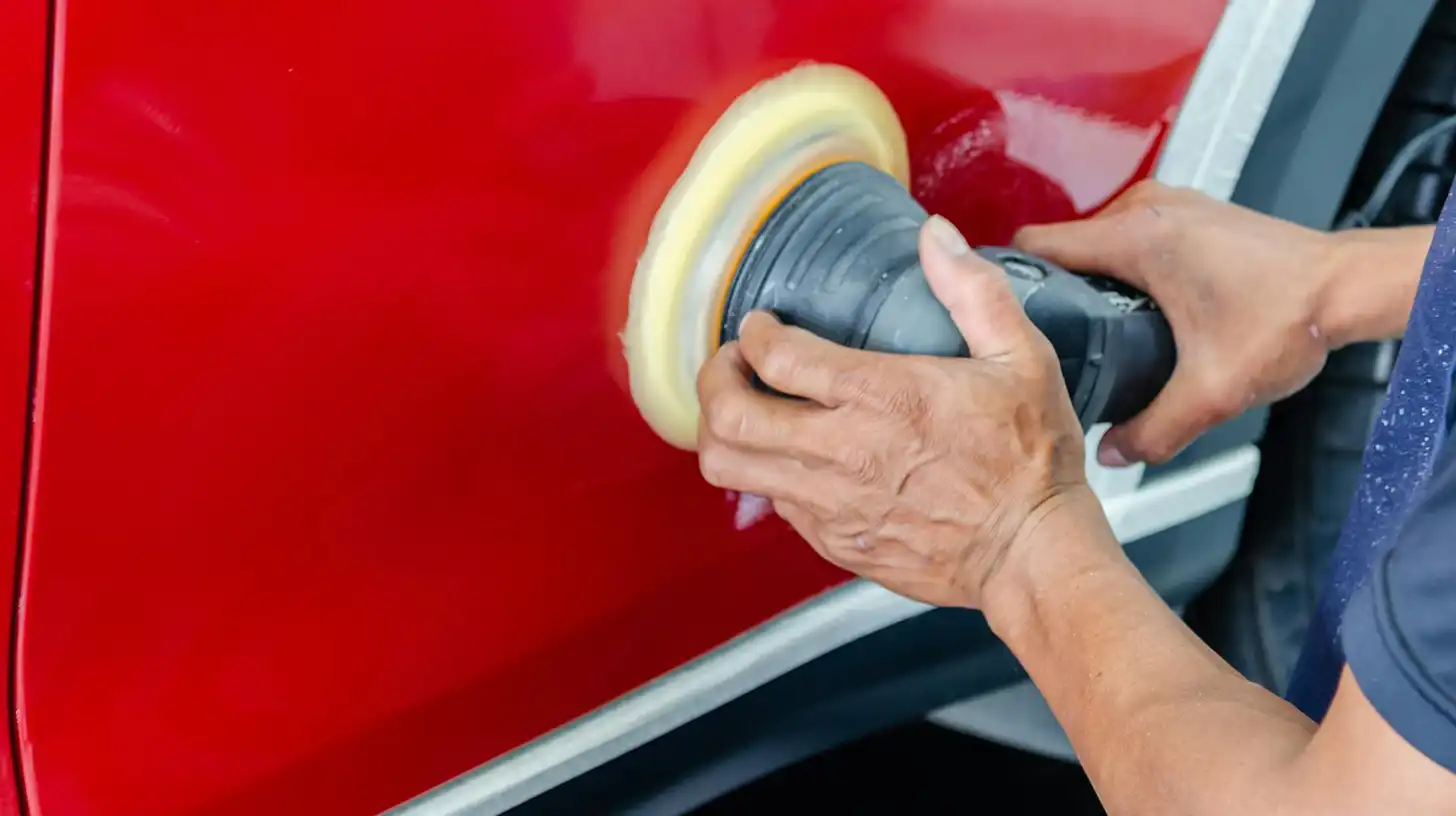
Paint correction handles micro-scratches in your clear coat, but what about rock chips from driving I-25 or scratches from a runaway shopping cart at Chapel Hills Mall?
This is where paint touch-up comes in—a specialty we have focused on for over two decades. Touch-up addresses damage that has penetrated through clear coat into the base color, or down to primer or bare metal.
“Highly recommend this detail shop. They were able to touch-up paint chips, scratches and remove swirls with a 2-step correction and ceramic coat. The paint is back to showroom condition now!” ~ Jake
Quality touch-up is part art, part science. We clean damaged areas thoroughly, examine depth of damage, then carefully apply matched paint in thin layers. For deeper damage, we apply primer first, then color, then clear—recreating the original paint system.
Color matching is critical. Paint colors change over time from sun exposure, so using your vehicle’s paint code alone does not guarantee a match. We evaluate actual color under different lighting and adjust formulations accordingly. The goal is an invisible repair.
How Paint Condition Affects Your Car’s Value

One of the biggest reasons people buy a new car is dissatisfaction with how their current vehicle looks. The paint seems faded and scratched, and suddenly a mechanically reliable car feels like something to replace. But here is the flip side: buyers and appraisers judge your car’s overall condition by looking at paint first.
Research indicates paint chips and visible damage can lower selling price by 5-10%, potentially costing $1,000 to $2,000 on a $20,000 vehicle. Additional studies show cars with poor paint condition can lose up to 20% of their value compared to similar models in better cosmetic condition.
Appraisers are not just evaluating paint—they are using it as an indicator of overall maintenance. A vehicle with swirled, scratched paint suggests an owner who did not pay attention to details, making buyers wonder what else was neglected.
Protecting Your Investment After Correction
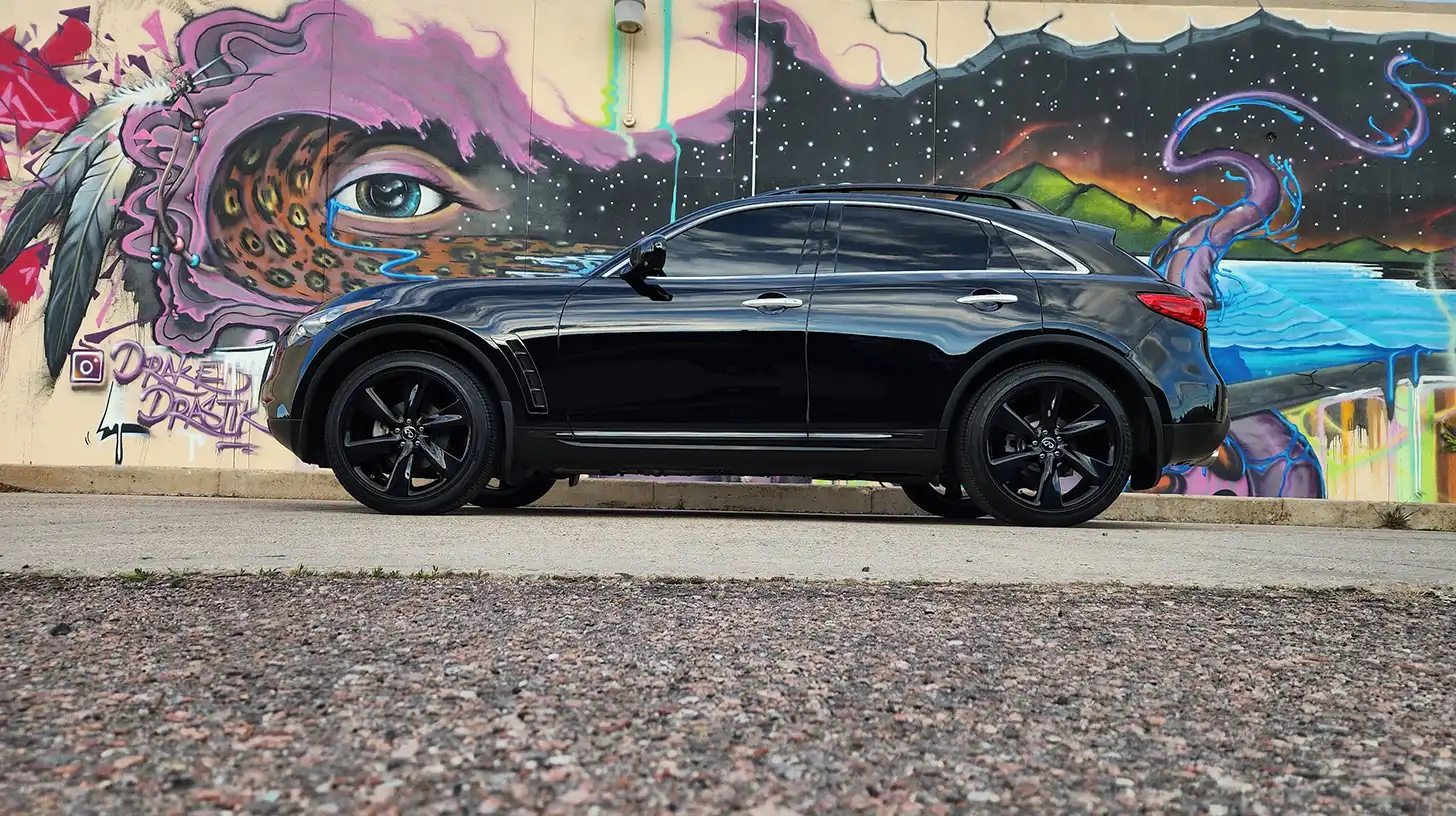
Getting your paint corrected is a significant investment, and you do not want swirl marks returning within months. That is why we strongly recommend following correction with paint protection.
Ceramic coating bonds chemically with your clear coat to create a semi-permanent protective layer. It repels water, resists UV damage, makes washing easier, and provides a barrier against light scratches and contaminants. Our coatings offer years of protection when properly maintained.
For the highest protection level, paint protection film creates a physical barrier between paint and the outside world. This urethane film absorbs impacts from rock chips, prevents scratches, and many modern films have self-healing properties. We can wrap high-impact areas or apply full-body coverage.
The bottom line: correction alone is not permanent if you return to the same habits that caused damage. Combining correction with protection gives you a restored finish that stays looking its best.
What to Expect at Springs Detailing

We are a small crew, and we like it that way. When you bring your vehicle to our El Paso St. or West Moreno Ave location, you are working with people passionate about how cars look.
Your first visit starts with conversation. We want to understand what bothers you about your current paint, your goals, and your budget. We examine your vehicle together and show you exactly what we see under inspection lights. No pressure, no upselling—just an honest assessment.
Time required varies depending on vehicle size and damage severity. A single-stage polish might take several hours; full multi-step correction could require a full day. We take our time to do the job right.
When your car is ready, our manager does a final inspection before calling you in. Watching the look on an owner’s face when they see their car looking better than they thought possible—that is the best part of what we do.
“OJ and his team did fantastic work on my Alfa Romeo. OJ is meticulous and really went above and beyond to ensure a top quality finish. It was evident he cared about my car as much as I did. The team took care of some paint correction, PPF, and then ceramic coating. Truly outstanding job, great communication, and customer service. Thanks!” ~ Alfa Romeo Owner
Whether you drive a daily commuter from Pine Creek or a weekend toy garaged in Flying Horse, we treat every vehicle with the same care. Because we believe if you love your car, if you want to keep it forever, you deserve a detail shop that takes that as seriously as you do.
Suggested Reading: Paint Correction Colorado Springs Cost
Conclusion

Swirl marks and scratches do not have to be something you live with. Professional paint correction and touch-up can restore your vehicle’s finish to a condition rivaling or exceeding how it looked new. As a veteran-owned business with over 20 years of paint experience, Springs Detailing has the expertise, equipment, and commitment to quality your car deserves.
We have built our reputation in Colorado Springs by doing the hundreds of little things that separate “good enough” from “as good as new.” Every car gets inspected by a manager before delivery. Every customer gets an honest assessment. Every detail is driven by genuine passion for making cars look their absolute best.
Ready to fall in love with your car again? Contact Springs Detailing today to schedule a consultation or request an estimate. Let us show you the difference that 20 years of paint experience and genuine passion for perfection can make.
Frequently Asked Questions
How long does paint correction take?
Time depends on vehicle size and damage severity. A single-stage polish on a smaller car might take 3-6 hours, while multi-step correction on a larger vehicle could require a full day or more. We never rush because proper correction takes patience. When you schedule your appointment, we will give you a realistic timeframe based on your specific situation.
Will paint correction damage my clear coat?
Professional correction done properly is safe. The process removes a very thin layer—measured in microns—to level out scratches. Our technicians measure paint thickness before starting and work carefully to preserve as much clear coat as possible. The key is working with experienced professionals who understand how to achieve results without compromising long-term integrity.
How often should I have paint correction done?
Ideally, only once or twice over your vehicle’s life. This is why we recommend protecting corrected paint with ceramic coating or paint protection film. With proper protection and maintenance, results can last years. Minor touch-ups may be needed occasionally, but repeated full corrections are unnecessary when paint is properly cared for.
What is the difference between paint correction and paint touch-up?
Paint correction addresses swirl marks and light scratches within the clear coat layer through machine polishing. Paint touch-up addresses deeper damage—chips reaching base color, primer, or bare metal—by applying matched paint. Many vehicles benefit from both: correction to restore overall finish, plus touch-up for individual chips and deeper scratches.
Why choose professional correction over doing it myself?
Professional correction requires specialized equipment, professional-grade products, and years of experience. Without proper training, it is easy to burn through clear coat, create holograms, or achieve uneven results. Our team has spent years developing techniques and investing in quality tools. The cost is an investment in both appearance and long-term vehicle value.
Additional Resources
- Kelley Blue Book Car Depreciation Calculator – Research how condition affects resale value