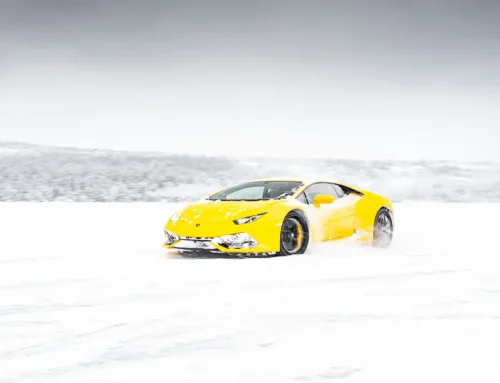
Colorado Springs’ winters present unique challenges for vehicle owners throughout the Pikes Peak region. From the magnesium chloride de-icers coating our highways to the relentless freeze-thaw cycles that batter your paint, your car faces a gauntlet of threats every time you leave your driveway.
After 20+ years in the paint correction and detailing industry, I’ve seen firsthand how Colorado’s winter conditions can transform a pristine vehicle into a faded, pitted shadow of its former self. This extensive article walks you through proven methods to shield your vehicle—including XPEL Ceramic Coating, XPEL Paint Protection Film, window tinting, and proper maintenance strategies.

Key Takeaways
- Colorado’s magnesium chloride de-icers are highly corrosive and can damage vehicle undercarriages, brake systems, and any exposed metal within weeks of exposure
- XPEL Ceramic Coating creates a hydrophobic barrier that repels road grime, salt spray, and contaminants while enhancing your paint’s depth and gloss
- XPEL Paint Protection Film provides physical defense against rock chips, road debris, and the abrasive sand and gravel common on Colorado Springs roads
- Window tinting helps retain cabin heat during winter while blocking harmful UV rays year-round
- Professional installation ensures maximum protection and maintains your vehicle’s resale value
- Proactive winter preparation costs significantly less than reactive repair and restoration
Table of Contents
- Understanding Colorado’s Unique Winter Threats
- The Hidden Danger: Magnesium Chloride and Your Vehicle
- XPEL Ceramic Coating: Your First Line of Defense
- XPEL Paint Protection Film: Physical Armor for Your Paint
- Window Tinting: More Than Just Privacy
- Comprehensive Winter Preparation Checklist
- The Cost of Neglect vs. The Investment in Protection
- Conclusion
- Frequently Asked Questions
- Additional Resources
Understanding Colorado’s Unique Winter Threats

When you live in the shadow of Pikes Peak, you learn to appreciate Colorado’s dramatic weather patterns. Our region enjoys approximately 243 sunny days per year, but those winter months bring distinct challenges. The Colorado Springs area typically receives around 32 to 57 inches of snow annually, with temperatures regularly dipping into the teens from December through February.
What makes our winters particularly hard on vehicles isn’t just the snow—it’s the rapid temperature swings. You might wake up to a frozen windshield in Monument, drive through a snowstorm heading downtown, and find yourself in 50-degree sunshine by afternoon. These freeze-thaw cycles stress your vehicle’s paint, seals, and protective coatings in ways that milder climates simply don’t.
The western foothills communities like Manitou Springs and Woodland Park face even more intense conditions. Whether you’re commuting from Flying Horse to Peterson Space Force Base or making regular trips up Ute Pass, your vehicle needs proper protection.
Hidden Danger: Magnesium Chloride and Your Car


Colorado’s approach to road treatment is actually more aggressive than many other states. The Colorado Department of Transportation (CDOT) relies heavily on magnesium chloride de-icers to keep our roads safe. While this substance does an excellent job preventing ice formation, it creates serious problems for your car.
Magnesium chloride’s downfall is its corrosiveness. It eats through metal and rubber quickly, meaning no vehicle’s exposure goes without some damage. Unlike traditional rock salt that bounces off the road, magnesium chloride stays put in liquid form, coating your undercarriage, brake lines, and wheel wells.
According to AAA, U.S. drivers paid an estimated $15.4 billion in rust repairs caused by de-icing methods over five years—approximately $3 billion annually.
The Colorado Department of Transportation acknowledges that liquid anti-icer and de-icer residue should be removed from vehicles with soap and water following winter weather storms. But who has time to wash their car after every snowy commute from Northgate? This is exactly why proactive protection makes more sense than reactive cleaning.
What’s particularly concerning is that even the smallest chip in your paint is all it takes for the liquid to seep beneath the finish and cause real rust damage.
Ceramic Coating: Your First Line of Defense
When it comes to protecting your vehicle’s finish from Colorado’s harsh winter conditions, XPEL Fusion Plus Ceramic Coating represents the gold standard in surface protection technology. This isn’t your grandfather’s car wax—it’s an advanced liquid polymer that chemically bonds with your paint at the molecular level, creating a semi-permanent protective layer.
The science behind ceramic coating makes it particularly suited for our Colorado Springs climate. XPEL’s protective layer prevents moisture and road salt from settling into paint imperfections, reducing the risk of rust formation and corrosion in vulnerable areas like wheel wells and lower body panels.

One of the most practical benefits for winter driving is the hydrophobic properties. Rain beads up into tight droplets and slides off the paint, taking dirt and grime with it. When you’re driving through the slush and spray on Academy Boulevard, this self-cleaning effect becomes invaluable.
Beyond protection, XPEL Ceramic Coating delivers a deep, wet-look gloss that makes your paint truly stand out. Colors appear richer—blacks more mirror-like, reds more vibrant. This high-gloss finish lasts for years, not weeks like traditional wax.
For matte or satin-finished vehicles—increasingly popular on luxury cars from Land Rover, Bentley, Porsche, and Lamborghini—XPEL offers Fusion Plus Satin specifically formulated to protect these unique finishes without altering their appearance.
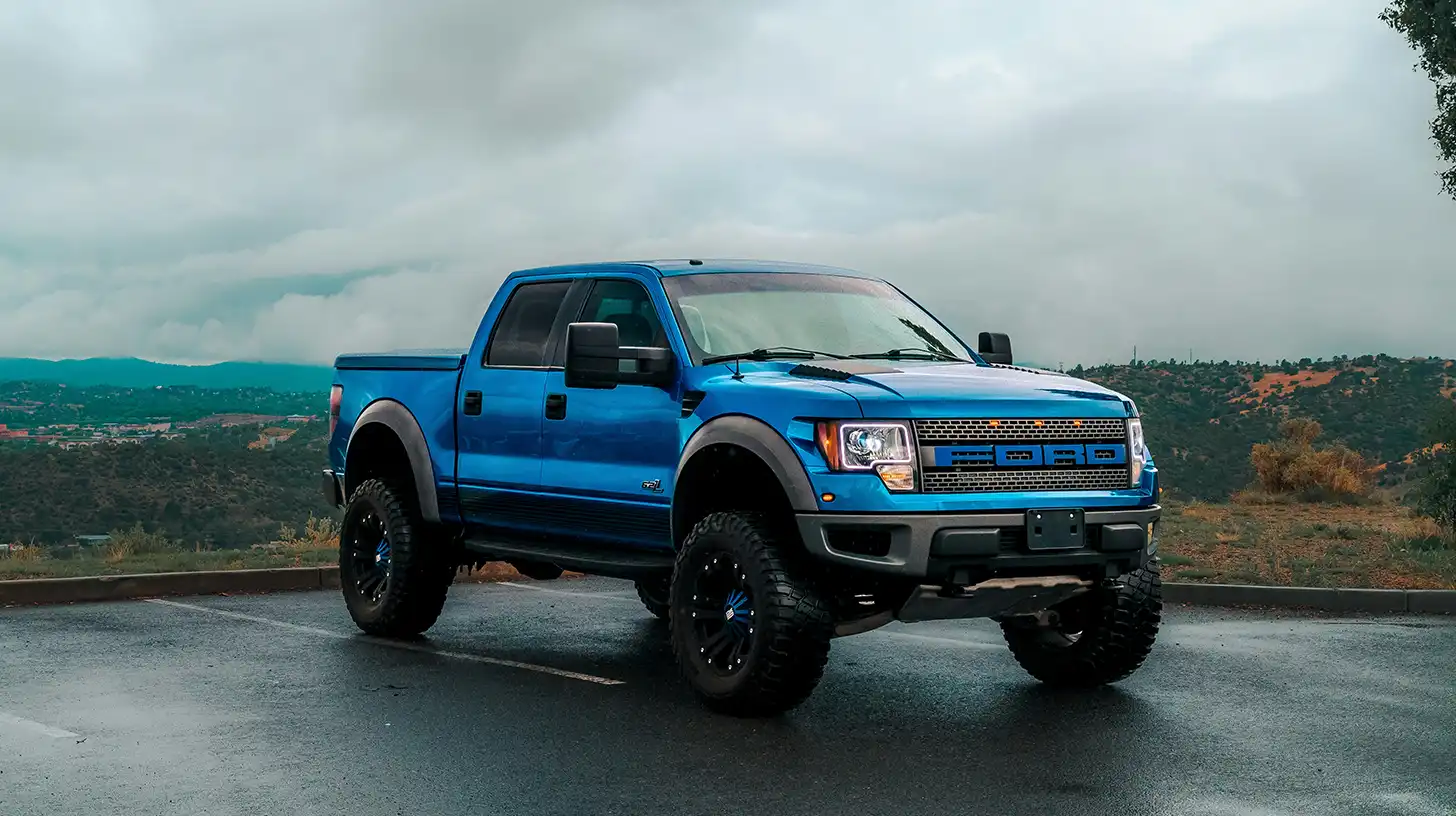
Great team here. They made my truck look better now than when I bought it new. Excellent attention to detail and great pricing for ceramic coating. I will return here for any detailing needs I have in the future. ~ Anthony W.
Professional application is essential. The surface must be properly prepared through paint correction, then meticulously cleaned before coating application. At Springs Detailing, our team inspects every vehicle from top to bottom before delivery because we know the difference between “good enough” and “as good as new.”
Further Reading: How Much Does Ceramic Coating Actually Cost?
PPF: Physical Armor for Your Paint
While ceramic coating excels at chemical and environmental protection, XPEL Paint Protection Film (PPF) provides physical defense against impact damage—invisible armor for your vehicle’s most vulnerable surfaces.
Paint Protection Film, otherwise known as Clear Bra, offers the strongest defense against road salt and debris, providing a robust urethane layer that heals over time. The self-healing technology means minor scratches and swirl marks disappear when exposed to heat—from the sun or your engine warming up on a cold morning in Fountain Valley.
Anyone who’s driven behind a gravel truck on Highway 24 or followed a snowplow spreading sand near the Broadmoor knows how quickly your front end can get peppered with debris. As one Porsche owner noted on TaycanForum: after combined 30k+ miles with PPF, their cars looked like new, with peace of mind on sanded winter roads.
XPEL offers several PPF options. XPEL Ultimate Plus provides crystal-clear protection that’s virtually invisible, while XPEL Stealth transforms any gloss finish into a sophisticated satin look. XPEL’s Color PPF line now offers 16 stunning colors that look like factory paint while providing full protection.
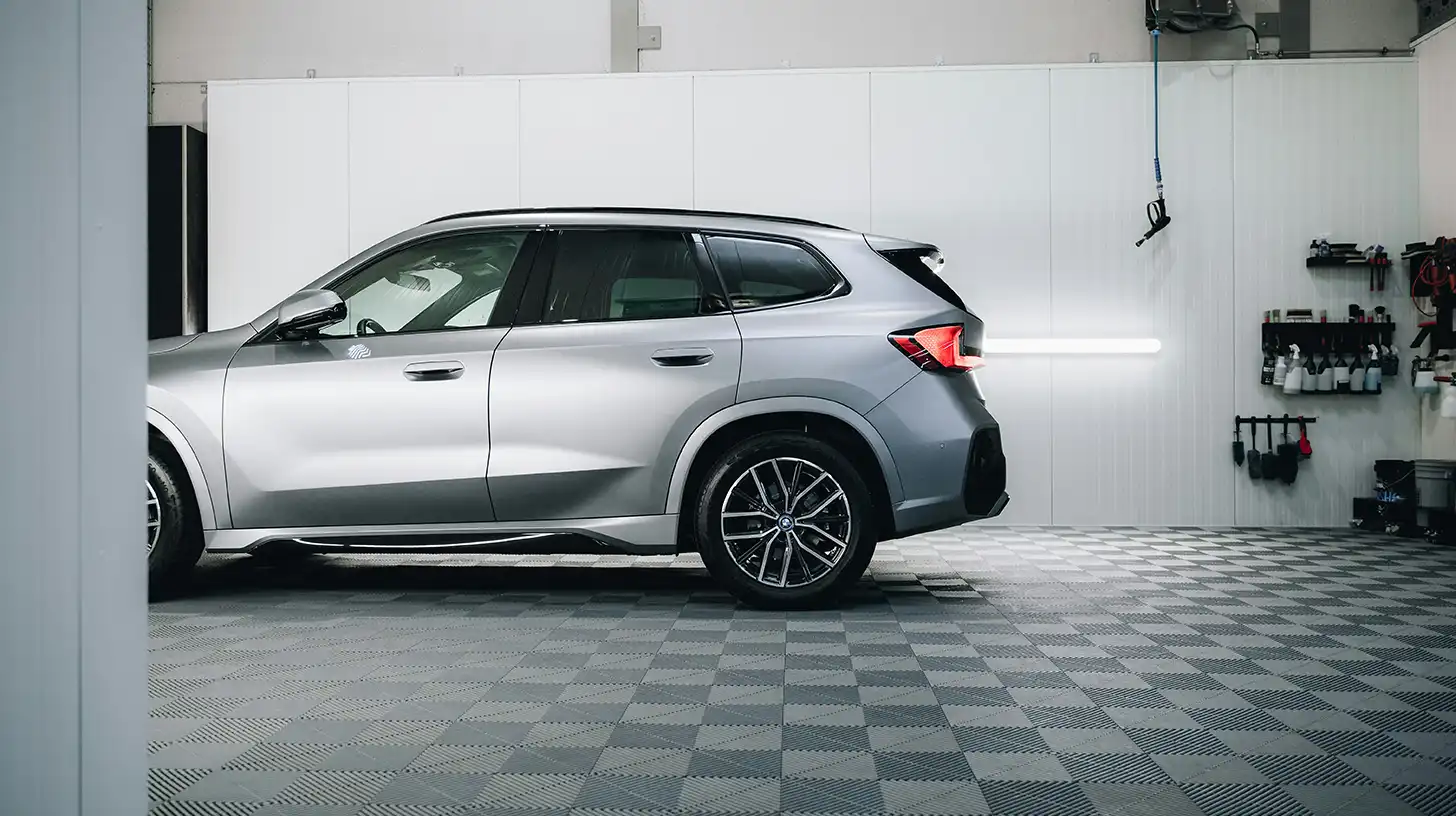
The Paint Protection Film (PPF) on my 2026 BMW X5 was professionally installed—it’s virtually invisible and really enhances the depth and pop of the metallic black paint. OJ and the gang provide excellent customer service and workmanship. ~ David T.
High-impact zones that benefit most from PPF include the hood and front bumper, side mirrors, rocker panels, and door edges. Many Springs Detailing clients combine PPF with ceramic coating for the ultimate protection package—ceramic coating over PPF adds hydrophobic properties and enhanced gloss while making the film easier to maintain.
Suggested Reading: XPEL vs 3M Paint Protection Film: Which is Best?
Window Tinting: More Than Just Privacy

Most people associate window tinting with summer cooling and privacy, but quality window film provides significant winter benefits that often go overlooked.
Window tint films act as insulators, helping trap heat inside the vehicle. This reduces the rate at which heat escapes, allowing your heating system to operate more efficiently. When your vehicle retains heat better, you need less heater output, which conserves fuel.
The low winter sun creates dangerous glare, especially when reflecting off snow-covered surfaces. The reflective quality of snow and ice can impair visibility and increase accident risk. Quality ceramic window tint significantly reduces this glare while maintaining excellent visibility.
UV protection remains critical even during winter months. Window tint films block up to 99% of the sun’s UV radiation, protecting your skin from damage and preventing premature fading of your dashboard, seats, and interior trim.
We went here with my wife’s new car and these guys took great care of her. The tint looks perfect & they even fit her in on a day they normally don’t tint, which I appreciate. I recommend these guys. Easy transaction and great work. A+! ~ Billy T.
At Springs Detailing, we install professional-grade ceramic window tint that provides superior heat rejection, glare reduction, and UV protection without the signal interference that metallic films can cause—important for modern vehicles with advanced electronics and GPS systems.
Recommended Reading: 5 Best Automotive Tint Brands: Ultimate Style & Protection
Comprehensive Winter Preparation Checklist
Protecting your vehicle from Colorado winters requires a multi-faceted approach. Here’s what we recommend based on two decades of experience:
Before Winter Arrives:
Schedule a professional paint correction to remove imperfections that can trap contaminants. Have ceramic coating applied to create a protective barrier against road chemicals. Consider paint protection film for high-impact areas, especially if you regularly drive I-25, Highway 24, or mountain roads. Install quality window tint to improve heat retention and reduce glare. Inspect your paint for chips or scratches and have them touched up before winter chemicals can penetrate.
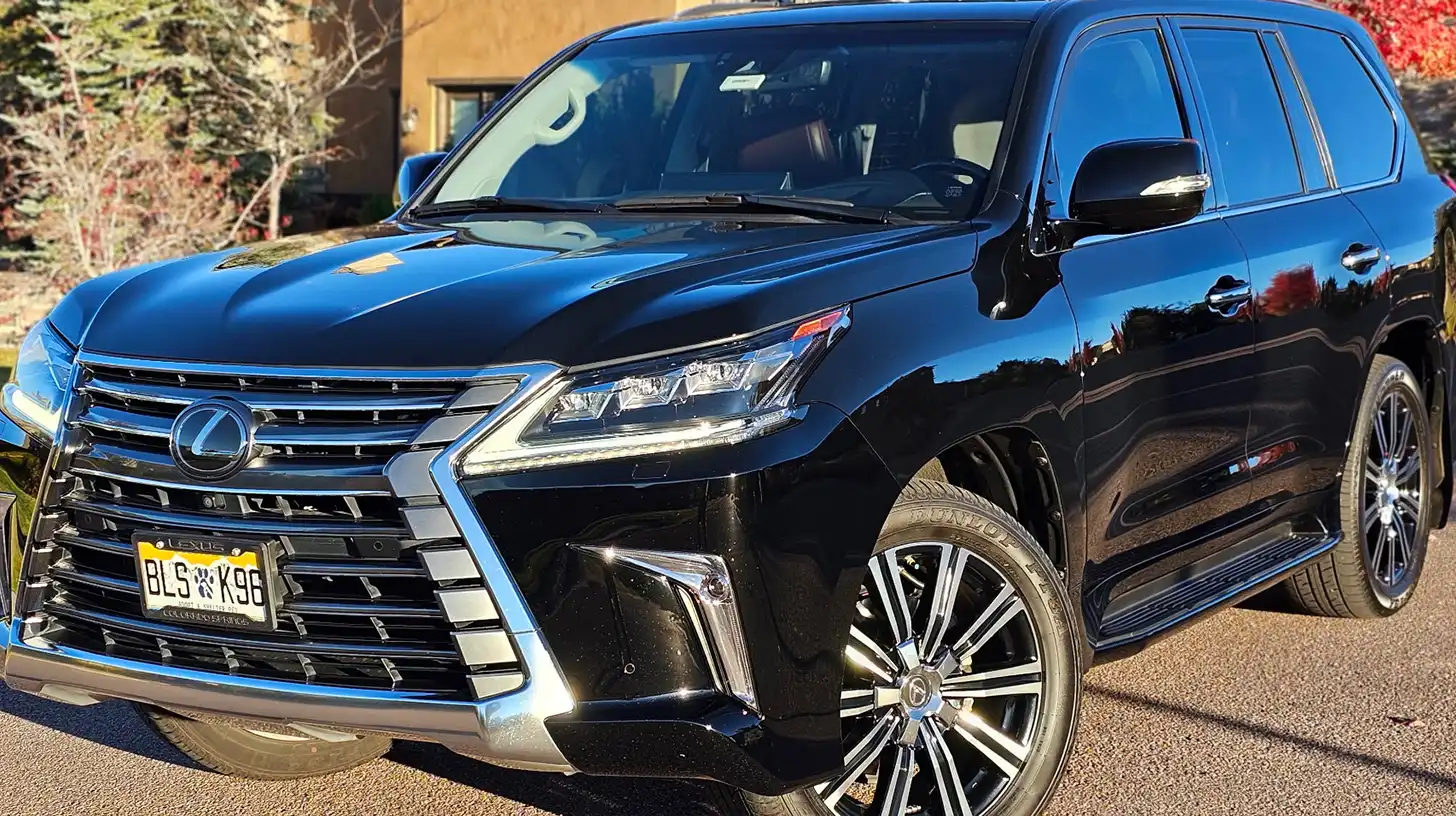
Decided to go all in on my 2018 LX570. Plan to keep this great V8 vehicle many years. So I invested in a full front PPF, including the grill and 8 year ceramic coating. OJ and his team did a phenomenal job on the paint correction. He said it would have a better shine than the day I bought it and he was right. A great investment in a vehicle I plan to keep for many years to come. They earned my lifetime loyalty. ~ M. Simpson
During Winter Months:
Wash your vehicle regularly, paying attention to the undercarriage where magnesium chloride accumulates. Avoid automatic car washes with harsh brushes. Use pH-neutral car shampoo—no additional wax needed on ceramic-coated vehicles. Park in covered areas when possible. Address new paint chips promptly to prevent winter chemicals from reaching bare metal.
End of Winter:
Schedule a thorough detail to remove accumulated contamination. Have your ceramic coating inspected and maintained. Consider paint correction if your vehicle shows signs of winter wear.
Cost of Neglect vs. Investment in Protection

Let’s talk numbers. According to research on vehicle depreciation, rust can devalue a car by 10% to 40%, depending on visibility and extent. On a $50,000 vehicle—common for luxury cars we service at Springs Detailing—that’s a potential loss of $5,000 to $20,000 in resale value.
A small scratch on a vehicle worth $30,000 can reduce its resale value by $1,500 to $3,000. Multiply that by the chips and scratches an unprotected vehicle accumulates over a single Colorado winter, and the math becomes compelling.
Rust repair costs between $1,000 and $5,000 depending on severity and location. Compare that to ceramic coating and paint protection film—a one-time investment that protects for years.
At Springs Detailing, we’ve built our reputation on delivering value that exceeds the investment. One of the biggest reasons people buy new cars is dissatisfaction with how their old car looks—faded paint, scratches, that worn appearance. We exist to restore your car’s image and keep it looking the way it did when you first fell in love with it.
Conclusion
Colorado Springs winters don’t have to take a toll on your vehicle. With proper preparation and professional protection, you can maintain that showroom shine whether you’re cruising through the Broadmoor, navigating Old Colorado City, or commuting from Peregrine to Peterson.
The combination of XPEL Ceramic Coating for chemical and UV protection, XPEL Paint Protection Film for impact defense, and professional window tinting creates a comprehensive shield against everything our Colorado winters throw at your vehicle.
At Springs Detailing, we bring 20 years detailing expertise to every vehicle. As a Veteran-owned business, we take pride in providing meticulous service—the same level we deliver to luxury dealerships, now available directly to private owners who truly care about their vehicles.
We charge more than a speedy car wash because our services are different, our processes more precise, and our end goal is higher. We have a small crew, and a manager inspects every car from top to bottom before delivery.
Don’t wait until winter damage has compromised your vehicle’s appearance and value. Contact Springs Detailing today to request an estimate or schedule your winter protection consultation. Whether you need ceramic coating, paint protection film, window tinting, or a comprehensive detail, our team is ready to help you fall in love with your car again.
Further Reading: Ceramic Coating vs PPF: Which Paint Protection is Best?
Frequently Asked Questions
How long does XPEL Ceramic Coating last in Colorado’s climate?
With proper maintenance, XPEL Fusion Plus Ceramic Coating typically provides protection for four to eight years on daily drivers. Vehicles that are garage-kept or driven less frequently can see even longer protection. The key is regular washing with pH-neutral shampoo and avoiding harsh chemicals or abrasive cleaning methods.
Can Paint Protection Film be applied in winter?
Yes, PPF can be installed year-round when done in a climate-controlled environment. At Springs Detailing, we maintain proper temperature and humidity levels in our facility to ensure optimal adhesion and curing regardless of outdoor conditions. In fact, having PPF installed before winter arrives is ideal—it gives you full protection right when you need it most.
Will window tint affect my visibility during nighttime winter driving?
Quality ceramic window tint is specifically designed to reduce glare and improve visibility rather than impair it. The films we install at Springs Detailing comply with Colorado’s tinting regulations and are chosen for their optical clarity. You’ll actually experience better visibility during dawn and dusk when the low winter sun can be blinding without tint.
How often should I wash my ceramic-coated vehicle in winter?
We recommend washing your ceramic-coated vehicle every one to two weeks during winter, or after any significant exposure to road salt and de-icers. The hydrophobic properties of ceramic coating make washing faster and easier—most contamination simply rinses away. For best results, use a touchless or hand-wash method with pH-neutral soap.
Is it worth protecting an older vehicle?
If you love your current vehicle and want to keep it looking great, protection is worthwhile regardless of age. We’ve worked on vehicles ranging from brand-new to classic cars. Protection prevents further deterioration and can significantly extend the time before you feel compelled to replace your vehicle.
How does Colorado’s magnesium chloride compare to traditional road salt?
Magnesium chloride is more corrosive than traditional rock salt because it remains in liquid form longer, coating and penetrating surfaces more effectively. It stays active at lower temperatures, which is why Colorado uses it, but this property means it clings to your vehicle and continues causing damage until properly washed away.
Can ceramic coating protect against rock chips?
Ceramic coating provides excellent protection against chemical damage, UV rays, and minor abrasions, but it’s not designed to prevent rock chips from high-velocity impacts. For that level of physical protection, paint protection film is necessary. Many of our clients choose both—PPF on high-impact areas with ceramic coating over the entire vehicle—for comprehensive protection.
What’s the best time of year to apply paint protection film and ceramic coating?
While protection can be applied year-round, fall is ideal for Colorado Springs vehicle owners. This timing allows your vehicle to be fully protected before winter conditions arrive. The coating or film has time to cure properly in moderate temperatures, and you enter the harshest months with maximum protection in place.