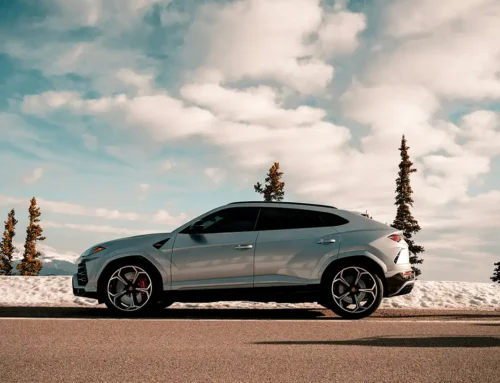
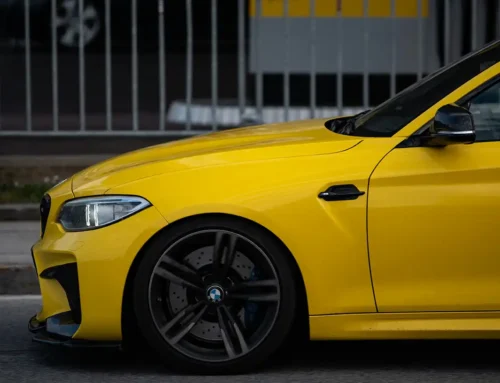
If you have ever climbed into your car after it sat baking in a Colorado Springs parking lot all afternoon, you already know the problem. The steering wheel is too hot to touch, the leather feels like a griddle, and the AC is fighting a losing battle. Buying the best Ceramic auto window tint is one of the smartest upgrades you can make to change all of that—and in a place like Colorado, where the sun hits harder than Iron Mike, it is about a lot more than comfort.
Key Takeaways
- The best Ceramic auto window tint uses nano-ceramic particles instead of metals or dyes, delivering superior heat rejection without interfering with your phone, GPS, or Bluetooth.
- Colorado Springs sits at roughly 6,000 feet, where UV exposure is significantly higher than at sea level—making window tint more of a necessity than a luxury.
- XPEL PRIME XR PLUS leads the industry with up to 98% infrared heat rejection and over 99% UV protection, earning the Seal of Recommendation from the Skin Cancer Foundation.
- Colorado law requires a minimum 27% VLT on front side windows and 70% VLT on windshields, with no metallic or mirrored appearance allowed.
Table of Contents
- What Is Ceramic Auto Window Tint?
- Why Window Tint Matters More in Colorado Springs
- Types of Ceramic Window Tint
- Why We Choose XPEL
- Colorado’s Window Tint Laws
- Conclusion
- Frequently Asked Questions
- Additional Resources
What Is Ceramic Auto Window Tint?
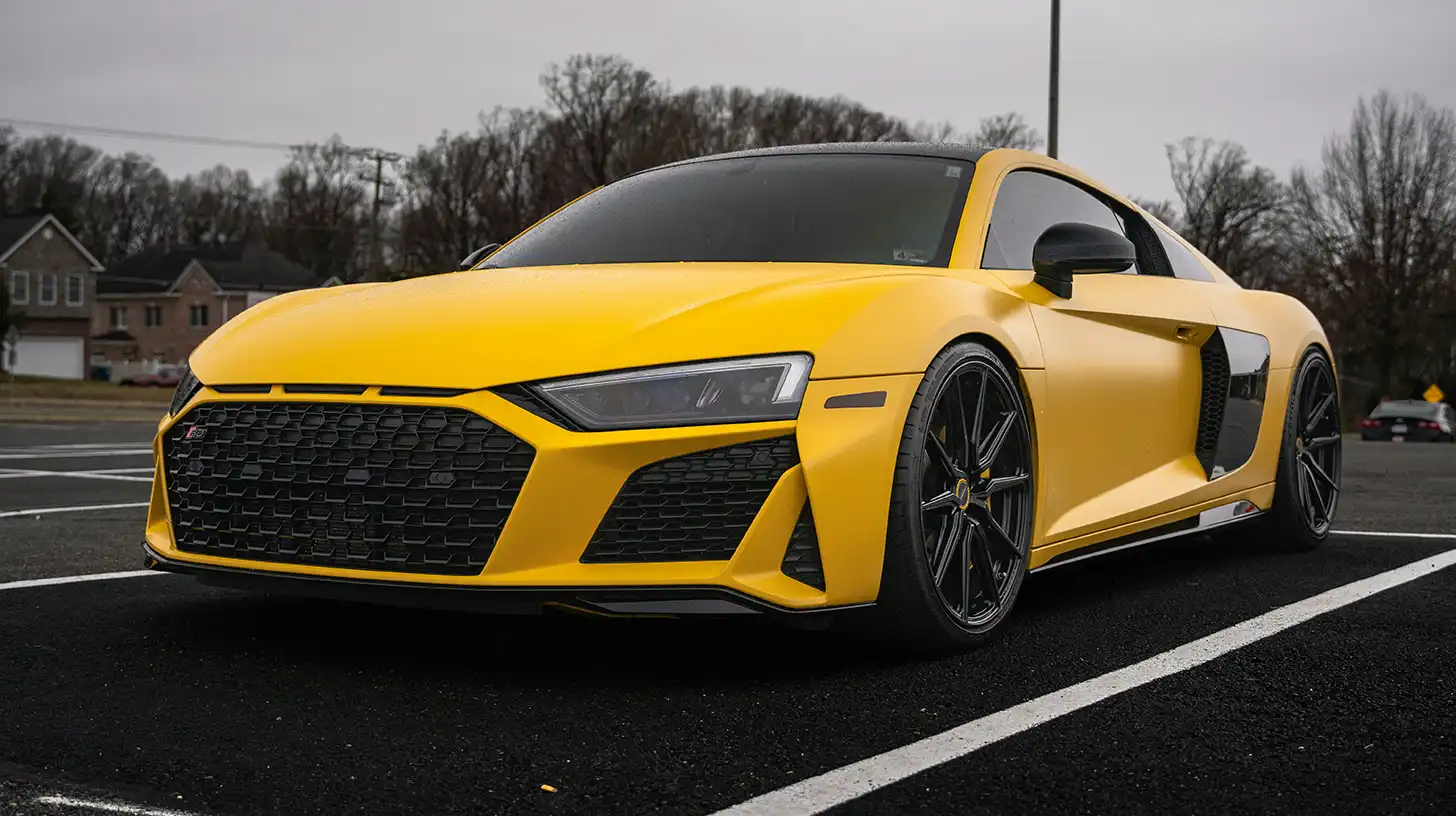
There is a lot of confusion out there about what ceramic tint actually is and how it differs from the cheap stuff you see peeling off windows all over town. So let me break it down simply.
Ceramic window tint film is built with nano-ceramic particles embedded in a multi-layer construction. Unlike old-school dyed films that fade and turn purple, or metallic films that interfere with your cell signal every time you drive through Briargate, ceramic tint uses non-metallic technology to block heat and UV rays without any of those drawbacks. Your GPS, Bluetooth, satellite radio, and phone reception all work exactly the way they should.
Here is what I tell nearly every customer who walks into our shop seeking window tint: there is a world of difference between a window tint that just makes your car look darker and a ceramic window film that actually performs. The look is nice, sure, but what you really want is a product that keeps your cabin cooler, protects your leather from cracking and fading, cuts the glare when you are driving west into the sunset, and shields your skin from UV radiation that causes real damage over time. That is what quality ceramic tint actually does.
Why Window Tint Matters More in Colorado Springs

This is something a lot of people do not think about when shopping for window tint: elevation. Colorado Springs sits at about 6,035 feet above sea level, and that has a direct impact on how much ultraviolet radiation reaches your skin—even when you are just sitting in your car.
According to the Environmental Protection Agency, UV radiation increases roughly 2% for every 1,000 feet of elevation gain. In Colorado Springs, that puts our UV exposure at approximately 12% higher than at sea level. Head up to the top of Pikes Peak and you are looking at nearly 30% more UV intensity.
Think about your daily routine. Maybe you live in Flying Horse or Gleneagle and commute south into the city. Maybe you are picking up kids in Peregrine and running errands around Northgate. That is a lot of windshield time, and every minute of it, UV rays are passing through your factory glass and doing cumulative damage to your skin and your vehicle’s interior.
Colorado gets over 300 days of sunshine per year, which means UV exposure is not a summer-only concern. Even on a cold January morning in Mountain Shadows, UV rays are still present and still penetrating your glass.
Types of Ceramic Window Tint

Not all ceramic window tints are the same. Here is what separates one from another.
Dyed Window Tint is the entry-level option. It is the most affordable, but it does the least when it comes to blocking infrared heat and tends to fade, turn purple, and bubble within one to five years. If you are driving a vehicle you care about, this is not where you want to be.
Metallic Window Tint uses tiny metallic particles to reflect heat away from the glass. It is more durable than dyed film, but those metal particles can interfere with electronic signals and create a reflective, mirrored look that is not legal in Colorado.
Ceramic Window Tint is where things get serious. Nano-ceramic particles replace dyes and metals entirely, giving you the best heat rejection available, zero signal interference, excellent optical clarity, and a film that holds its color for years.
Within the ceramic category, XPEL’s PRIME lineup shows how the tiers break down. The PRIME CS (Color Stable) series blocks 99% of UV rays, never fades or turns purple, and carries the Skin Cancer Foundation’s recommendation—a great option at a more accessible price point. The PRIME XR steps up to a nano-ceramic construction providing up to 88% infrared heat rejection while maintaining outstanding clarity. For most people, this is the sweet spot of performance and value.
And then there is the PRIME XR PLUS—the flagship. This is the film that uses XPEL’s multi-layer nano-ceramic particle technology to achieve up to 98% infrared heat rejection and SPF 1,000-level UV protection. The clarity is remarkable, the performance is unmatched, and it is backed by a lifetime transferable warranty. When I say this film is in a class of its own, I mean it.
Other manufacturers like 3M and LLumar produce solid ceramic window tint products. But when we compare infrared rejection ratings, warranty coverage, signal transparency, and long-term color stability, XPEL consistently comes out on top. That is not marketing talk—that is what we have seen on hundreds of vehicles right here in Colorado Springs.
Why We Choose XPEL

I have been in the auto detailing business for 20+ years. I do not put my name behind something unless I truly believe it is the best. XPEL ceramic window tint is the best.
The technology is superior—XPEL’s PRIME XR PLUS uses a proprietary nano-ceramic particle construction that acts as a solid barrier against infrared heat while maintaining a thin 1.5 mil film. Your windows look clean, your cabin stays cool, and the film does not distort your view—whether you are cruising through Pine Creek or heading up Highway 24 toward Divide.
The UV protection is best in class. XPEL’s nano-ceramic tint blocks over 99% of harmful UVA and UVB rays, earning the Seal of Recommendation from the Skin Cancer Foundation. In a state where our elevation puts us at heightened risk for UV-related skin damage, that kind of protection matters.
“I had the pleasure of having my new Civic Type R detailed at Springs Detailing. I had them do a full front ppf, ceramic coating, and ceramic window tint. They did a fantastic job and even went above and beyond expectations.” ~ San F.
Every XPEL automotive window tint comes with a lifetime transferable warranty covering bubbling, peeling, cracking, and discoloration. If you sell the car, the warranty transfers to the new owner. We have all seen vehicles around Colorado Springs with tint that is peeling, bubbling, or turning that ugly shade of purple. That does not happen with XPEL.
And the results speak for themselves. When a customer picks up their vehicle with XPEL ceramic window tint installed, the difference is immediate—the cabin is cooler, the glare is gone, the interior looks richer. The look on their face when they see the finished product is the part of this job I will never get tired of. That moment when someone says they cannot believe how good their car looks and feels. That is why we do what we do.
Further Reading: 5 Best Automotive Tint Brands: Ultimate Style & Protection
Colorado’s Window Tint Laws

Before you get window tint installed, you need to understand Colorado tint laws. We walk every customer through this at Springs Detailing.
Colorado’s regulations are outlined in Colorado Revised Statutes section 42-4-227. Your front side windows must allow at least 27% of visible light through (27% VLT). Your windshield can only have non-reflective tint on the top four inches. Back side windows and the rear window on SUVs, vans, and trucks can be tinted to any darkness, as long as you have dual side mirrors. Annnnd the front side windows and windshield allow at least 70% VLT. Metallic or mirrored tint is prohibited, and the colors red and amber are not legal.
With XPEL PRIME XR PLUS, even a lighter shade like 27% on the front doors provides significant heat rejection and UV protection. You do not have to go dark to get real results.
Further Reading: Colorado Window Tint Levels: Don’t Get Fined
Conclusion
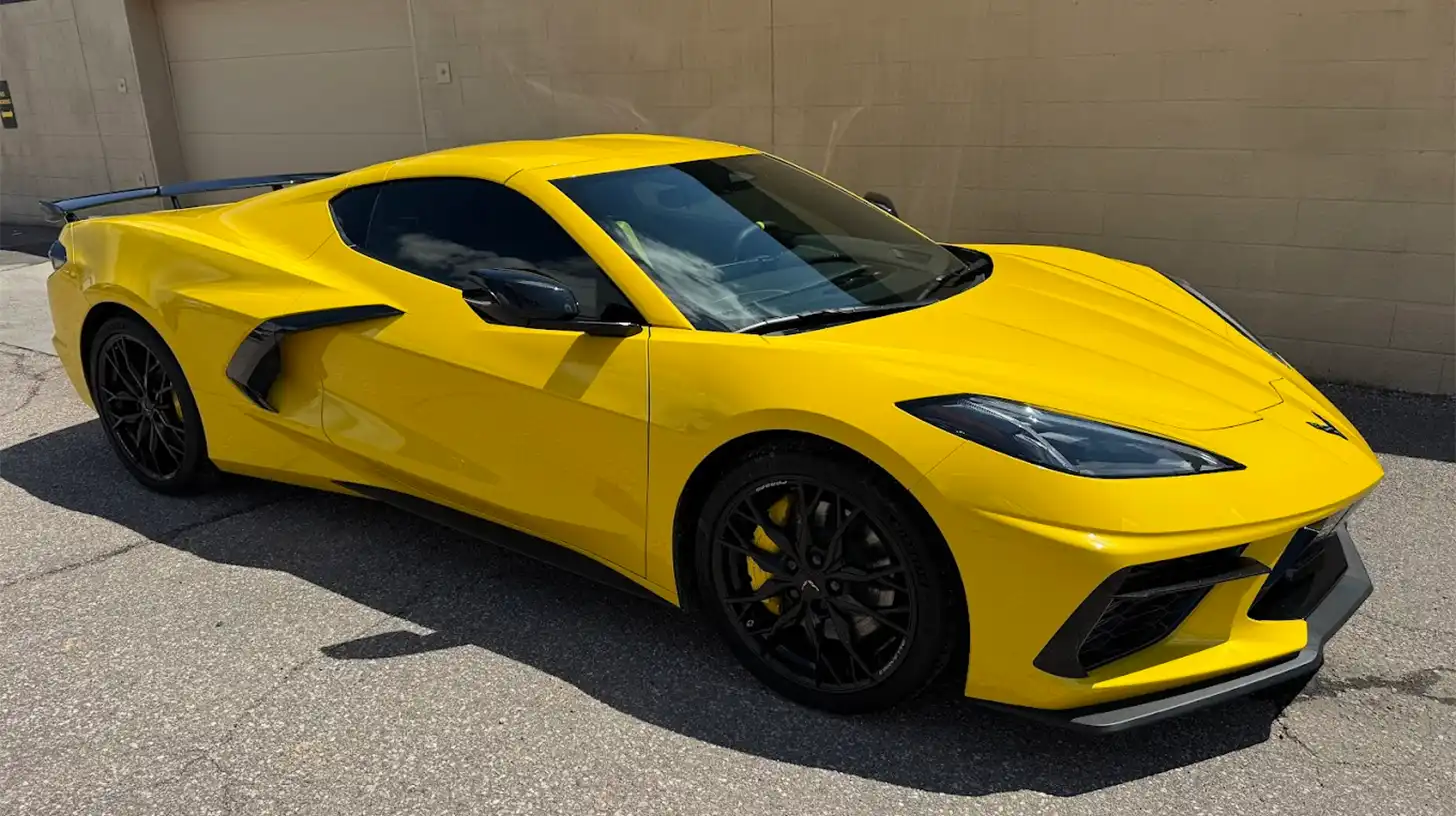
The best Ceramic auto window tint changes how you experience your vehicle every single day. In a high-altitude, sun-drenched place like Colorado Springs, it is one of the smartest investments you can make for your car and for your own well-being. XPEL ceramic window tint has earned our trust in every way that matters—the technology, the protection, and the warranty are simply the best in the industry. And when it is installed by professionals who care about doing things right, with a manager inspecting every window front to back before you get the keys, the results are something you can see and feel for the life of your vehicle.
Whether you are up in Cordera, over in Rockrimmon, out in Falcon, or anywhere in between—we would love to show you what a real ceramic window tint installation looks like.
“We used Springs Detailing for an interior detail and 20% window tint. The staff was so helpful in explaining everything to us and breaking down the packages. They showed me examples and explained the differences in tint. The tint came out amazing and feels like a brand new car. So much privacy, less sun glare and others cars headlights don’t bother my eyes now.” ~ Jeremy
Ready to experience the difference? Contact Springs Detailing today or call us to schedule your ceramic window tint consultation. Your car—and your skin—will thank you.
Suggested Reading: Window Tint Colorado Springs Prices
Frequently Asked Questions
How long does ceramic auto window tint last?
When you invest in a premium ceramic window film like XPEL and have it professionally installed, you can expect it to last the lifetime of your vehicle. XPEL backs their automotive tint with a lifetime transferable warranty covering fading, bubbling, peeling, and discoloration. Compare that to cheaper dyed films that typically degrade within a few years, and the value of ceramic becomes clear.
Does ceramic window tint interfere with electronics?
Not at all. Because ceramic window film uses nano-ceramic particles instead of metal, there is zero interference with your cell phone, GPS, Bluetooth, satellite radio, or any advanced driver-assistance systems. Everything works exactly the way it should.
What is the darkest legal window tint in Colorado?
Colorado requires front side windows to allow at least 27% of visible light through. The windshield can only have non-reflective tint on the top four inches with at least 70% VLT. Back side windows and the rear window on SUVs, vans, and trucks can be tinted to any darkness with dual side mirrors installed.
Why does Springs Detailing recommend XPEL over other brands?
After 20 years in this industry, we recommend XPEL because it consistently outperforms in the areas that matter most—heat rejection, UV protection, optical clarity, and warranty coverage. XPEL PRIME XR PLUS rejects up to 98% of infrared heat, blocks over 99% of UV rays, and has earned the Skin Cancer Foundation’s Seal of Recommendation. For Colorado Springs, where the sun hits harder because of our elevation, that level of performance is essential.