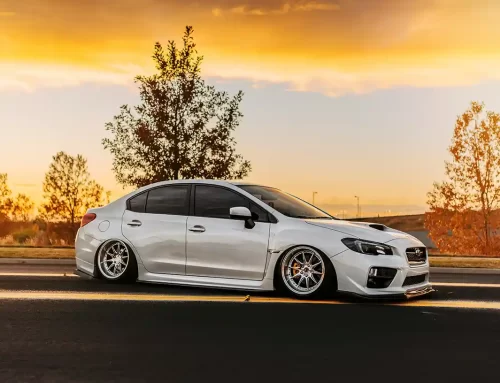
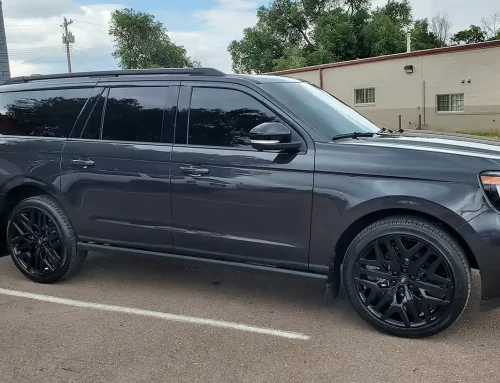
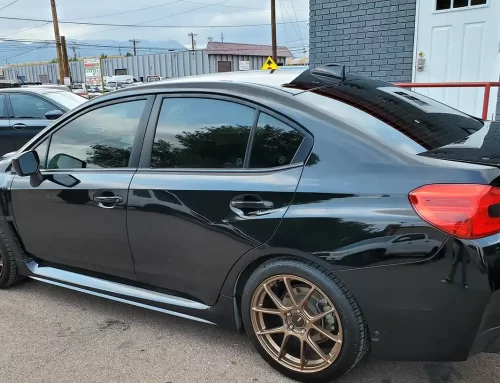
Colored paint protection film gives you two things at once: a head-turning new color and a tough, self-healing shield over your factory paint. For drivers here at altitude, where the sun is relentless and the roads throw everything they’ve got at your finish, that combination is hard to beat.
If you’ve been searching for Colored PPF Colorado Springs shops actually stand behind, this post is for you. It walks through what colored PPF really is, why it holds up so well against our climate, how it compares to vinyl and repaints, and what to expect when you trust the work to a shop that inspects every panel before it hands you your keys.
Key Takeaways
- Colored PPF changes your car’s color while protecting the paint underneath, unlike vinyl wraps that are built mainly for looks.
- Premium films are self-healing and typically carry warranties up to 10 years (XPEL), so your finish stays fresh far longer than a wrap.
- Colorado Springs sits above 6,000 feet, and that intense high-altitude sun plus gritty roads make real protection more than a luxury.
- Your original paint stays sealed and untouched underneath, which helps preserve resale value.
- Results live and die by the installer. A precise, patient, professionally handled job is what separates a factory-fresh look from a sticker look.
Table of Contents
- What Colored PPF Actually Is (and What It Isn’t)
- Why Colorado Springs Is So Hard on Your Paint
- The Look You Want, the Protection You Need
- Colored PPF vs. Vinyl Wrap vs. a Repaint
- What Sets Springs Detailing Apart
- Caring for Your Colored PPF
What Colored PPF Actually Is (and What It Isn’t)

Let’s clear up the confusion first, because there’s plenty of it. When most people hear “wrap,” they picture a thin vinyl film that changes a car’s color for a few years until it starts to fade, lift, or peel at the edges. Colored PPF is a different animal entirely.
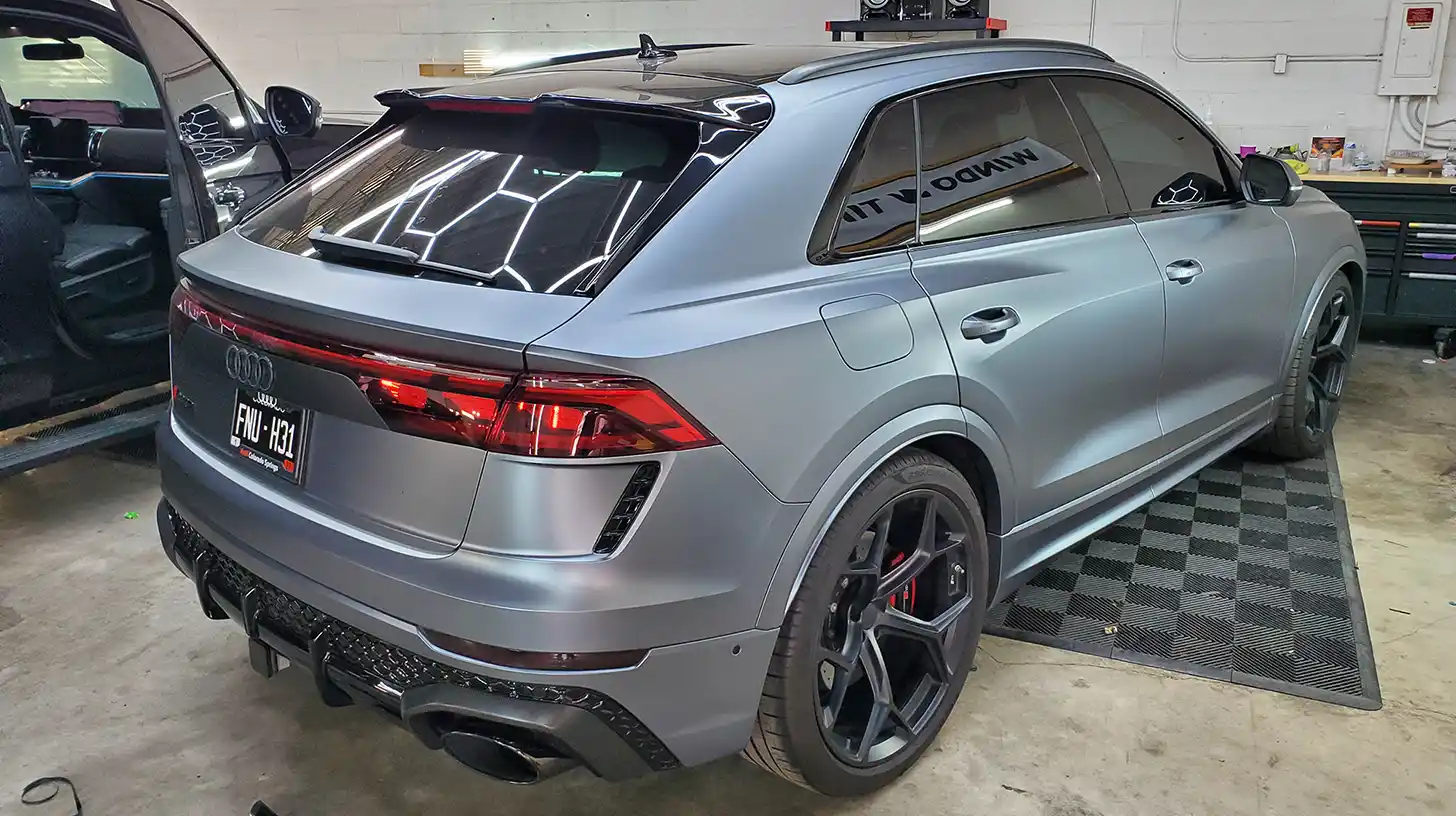
Paint protection film started life as a clear, nearly invisible shield, the kind of thing you put on the front bumper and hood to stop rock chips. Colored PPF takes that same rugged, self-healing urethane and builds the color right into it. So instead of choosing between a new look and real protection, you finally get both in a single layer. You can transform a daily driver into a satin stealth machine or bring a deep metallic finish to a weekend car, all while the film absorbs the chips, scratches, and grime that used to land on your paint.
That’s the part folks miss. A vinyl wrap dresses your car up. Colored paint protection film dresses it up and stands guard. Underneath that film, your factory paint stays exactly as it left the showroom.
Why Colorado Springs Is So Hard on Your Paint

We’ve spent years watching what this region does to a finish, and it isn’t gentle. Colorado Springs sits at more than 6,000 feet, and every foot of that elevation means thinner atmosphere and stronger ultraviolet light hitting your hood. That high-altitude sun is the quiet culprit behind faded clear coats and chalky, tired-looking paint. You notice it most on cars that live outside up in Rockrimmon, Mountain Shadows, or Peregrine, where there’s no garage and no shade to hide in.
Then there’s the road itself. Take a drive up Ute Pass toward Woodland Park, or merge onto I-25 during construction season, and your front end gets sandblasted with gravel and grit. Winter brings its own trouble, with magnesium chloride and road sand chewing at your lower panels every time the crews treat the highways. Even a beautiful spring morning near Garden of the Gods can end with your paint speckled from a passing dump truck.
This is exactly where colored PPF earns its keep. The same film that gives you a fresh color is soaking up those hits and blocking the UV that would otherwise cook your finish. In a climate this demanding, protection isn’t a splurge. It’s the thing standing between your car and a slow, expensive decline. At least, that’s how you can sell it to your wife.
The Look You Want, the Protection You Need
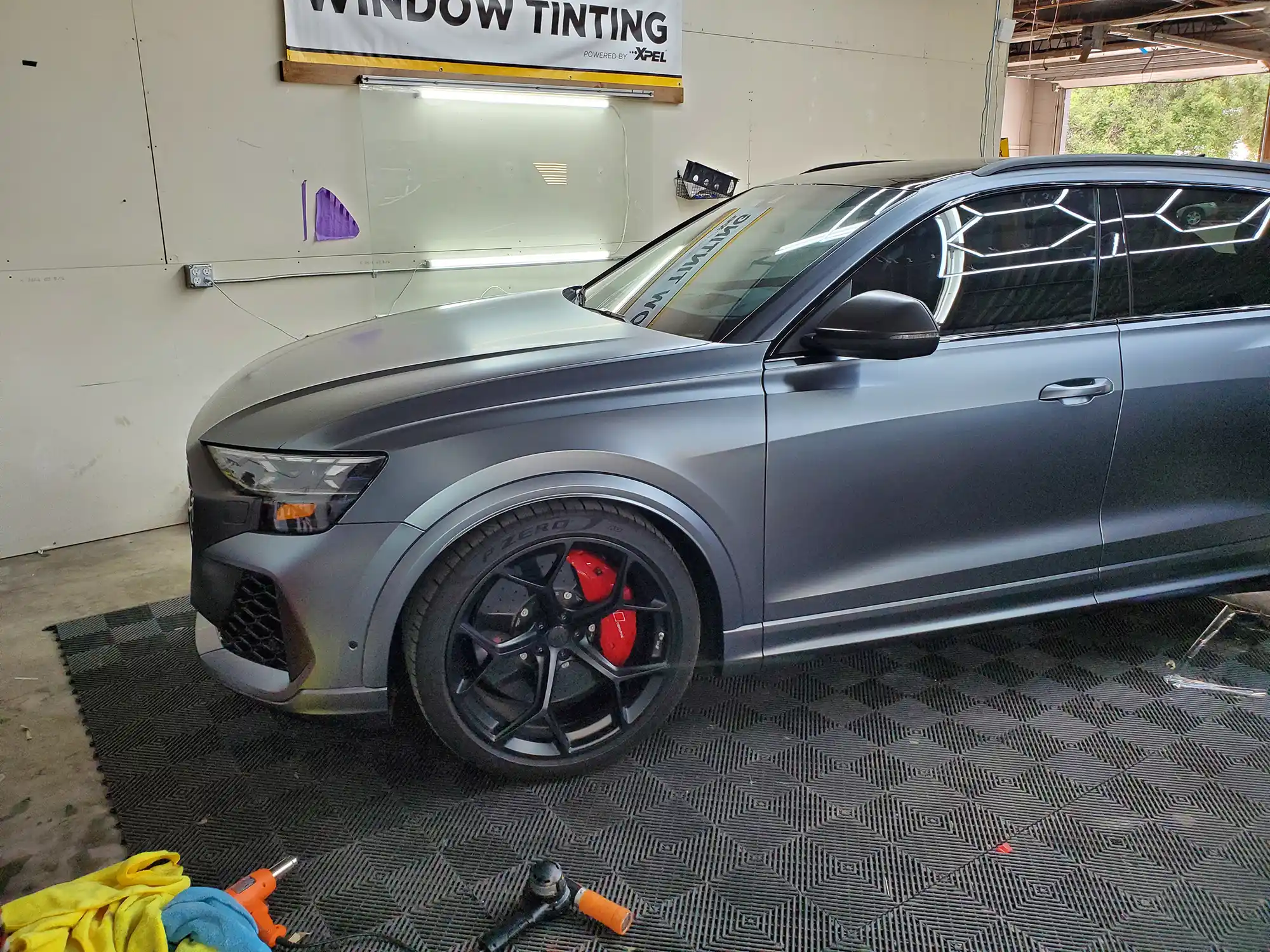
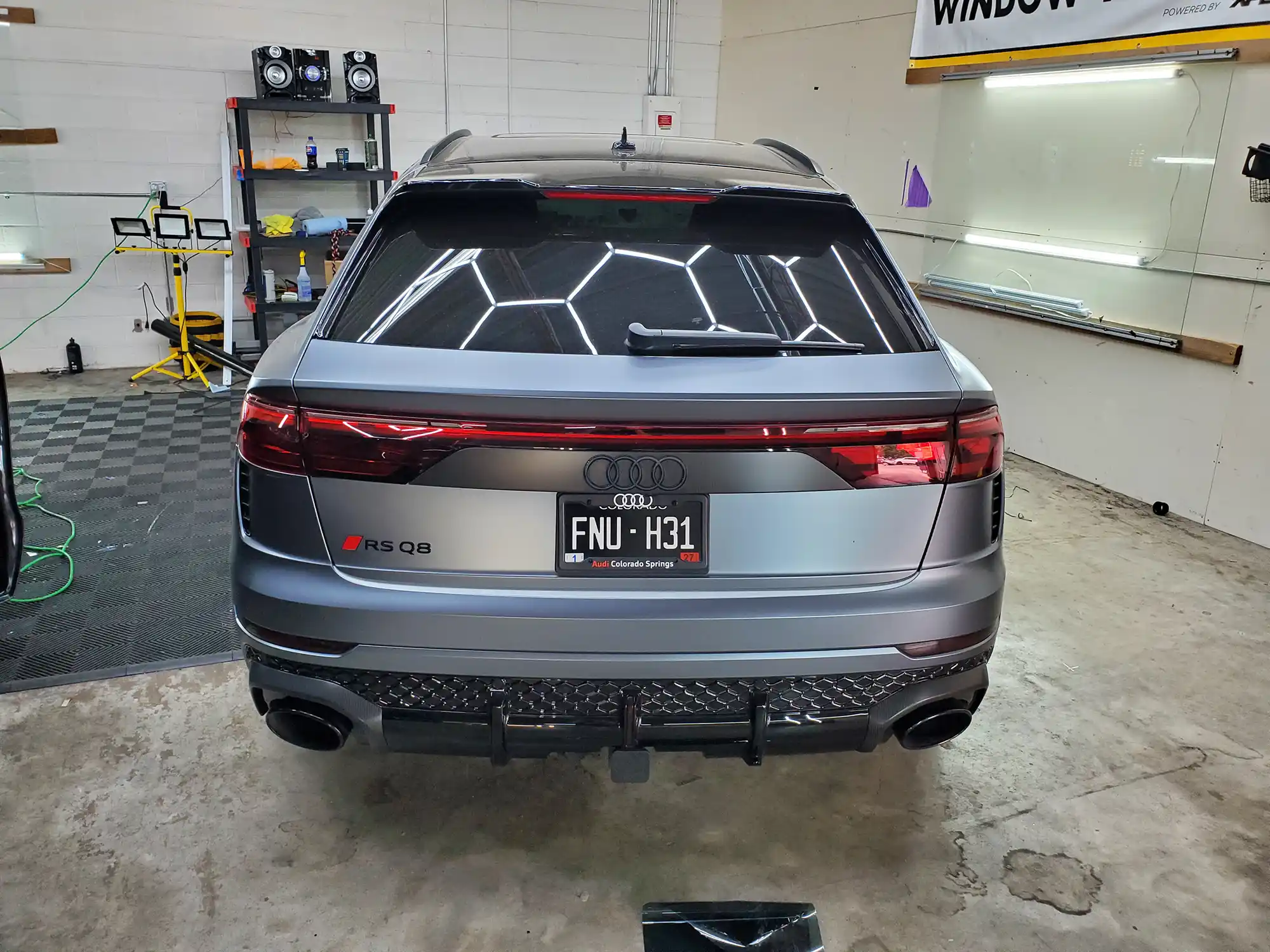
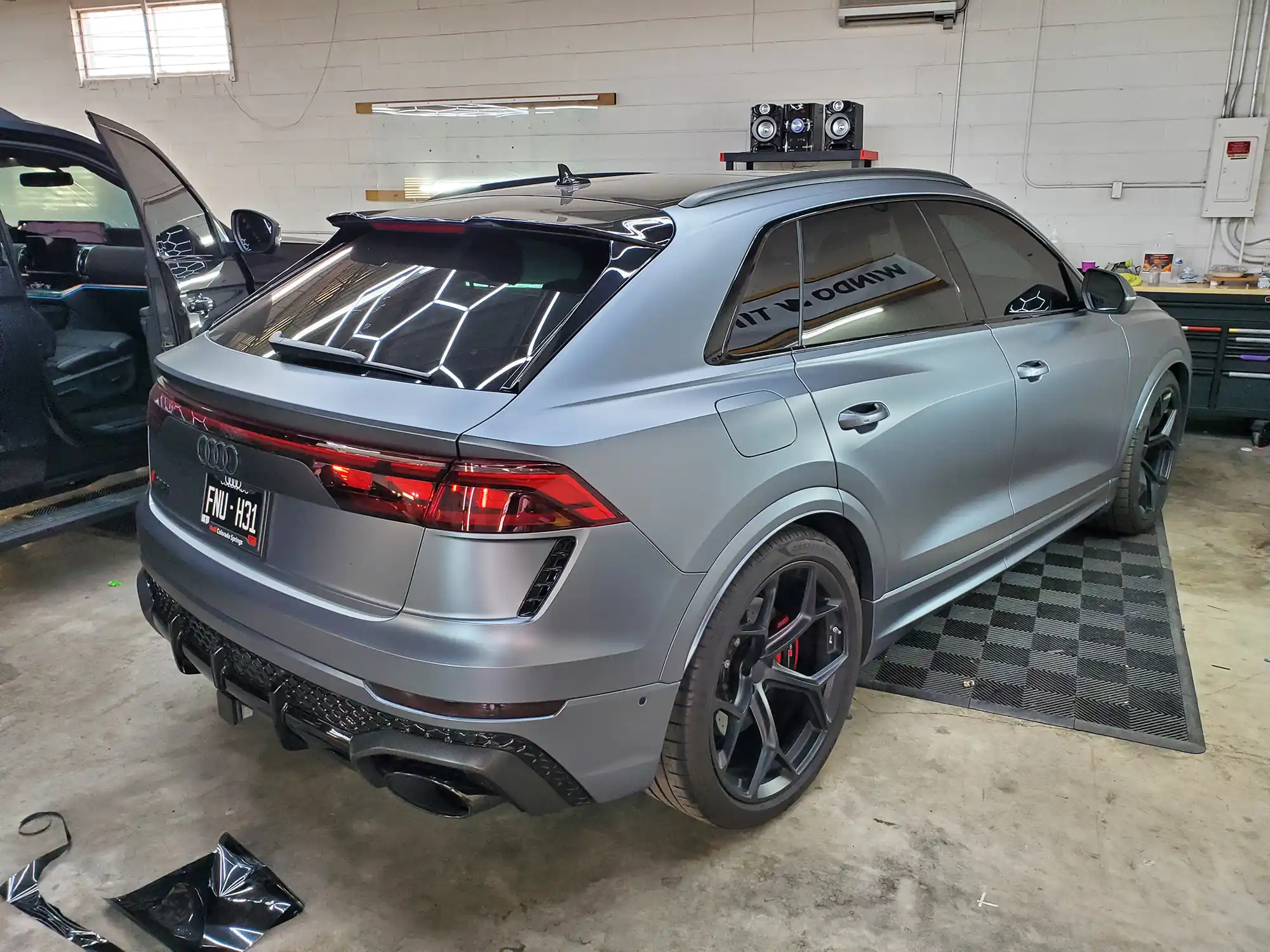
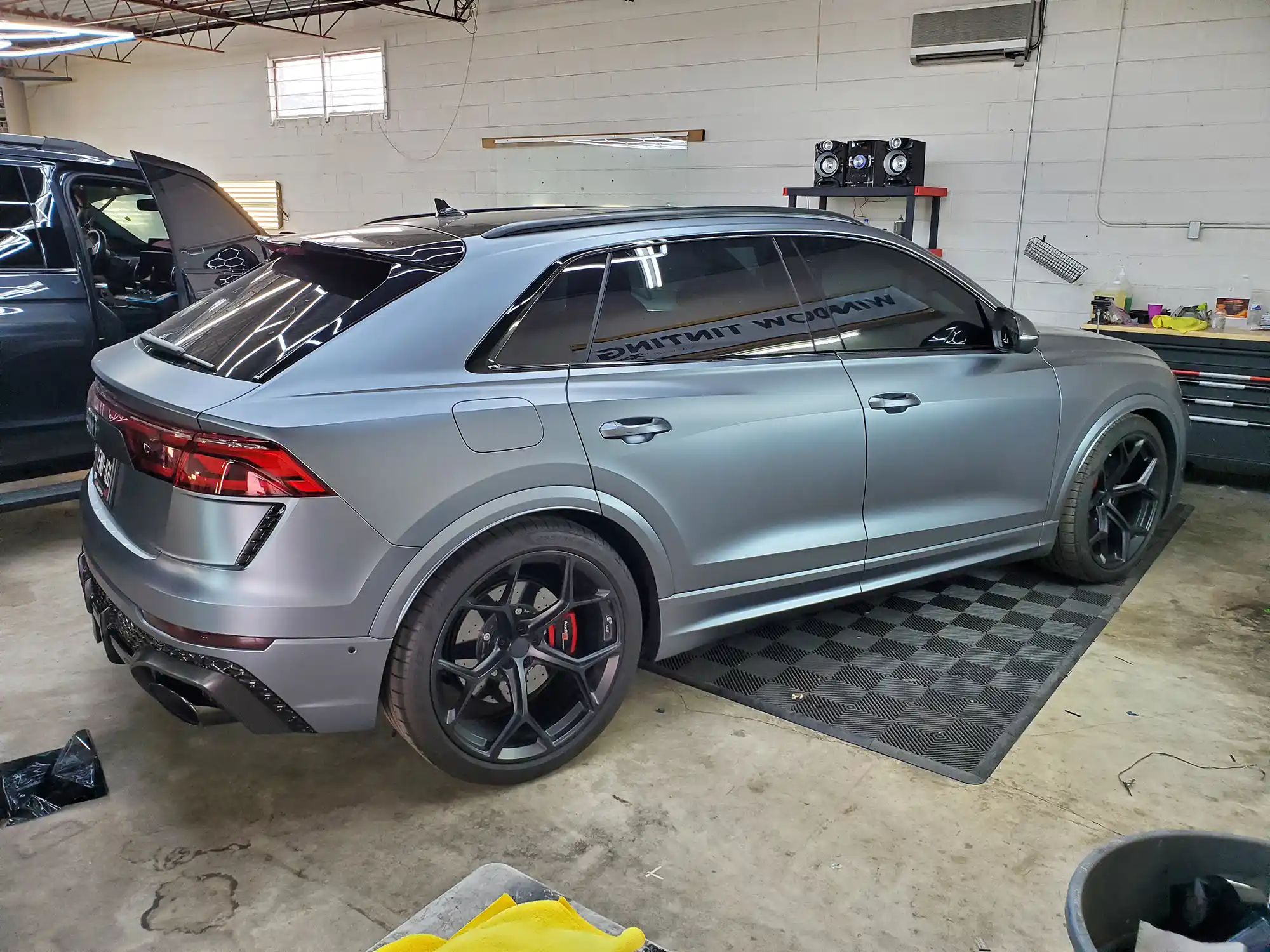
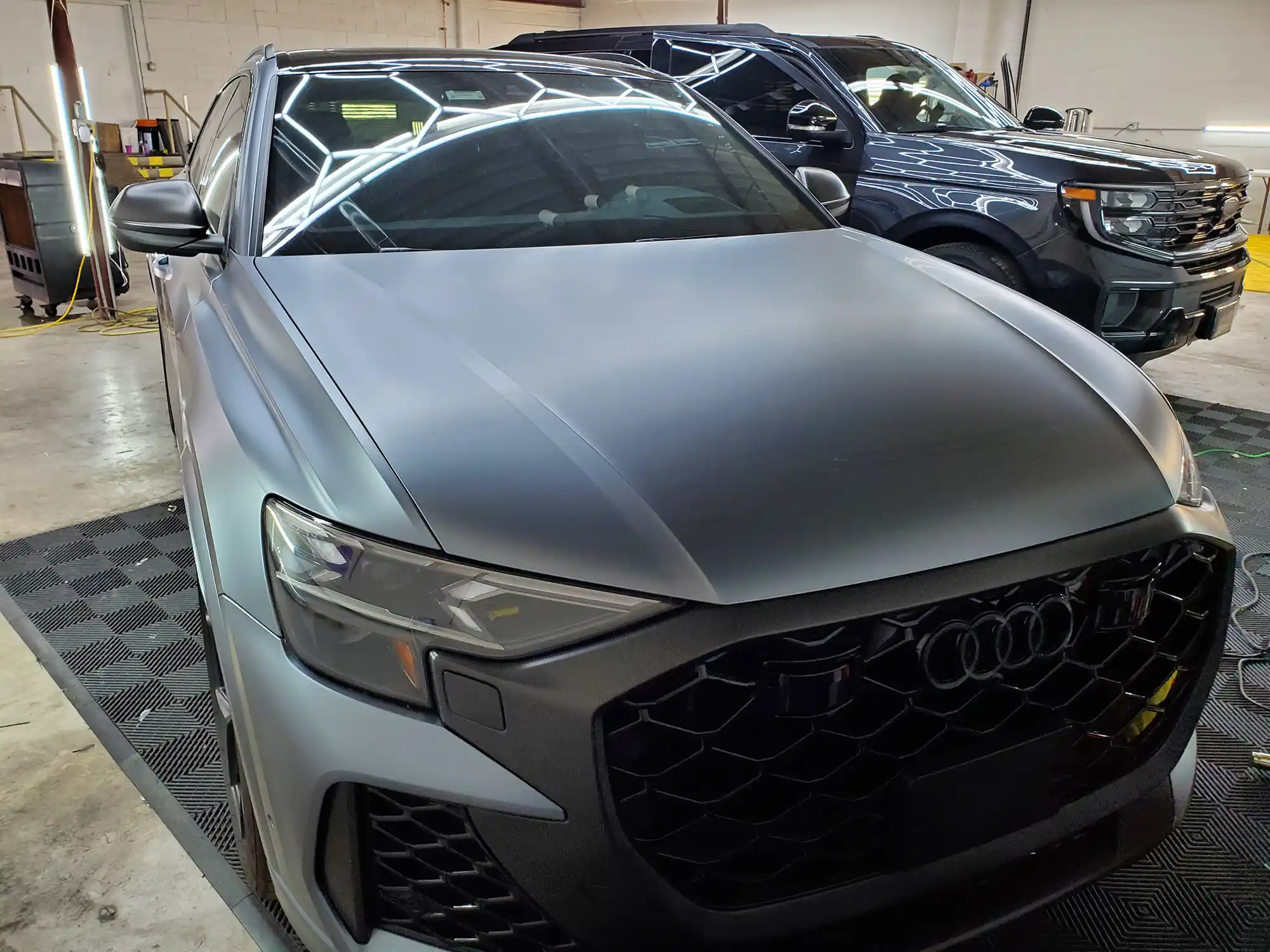
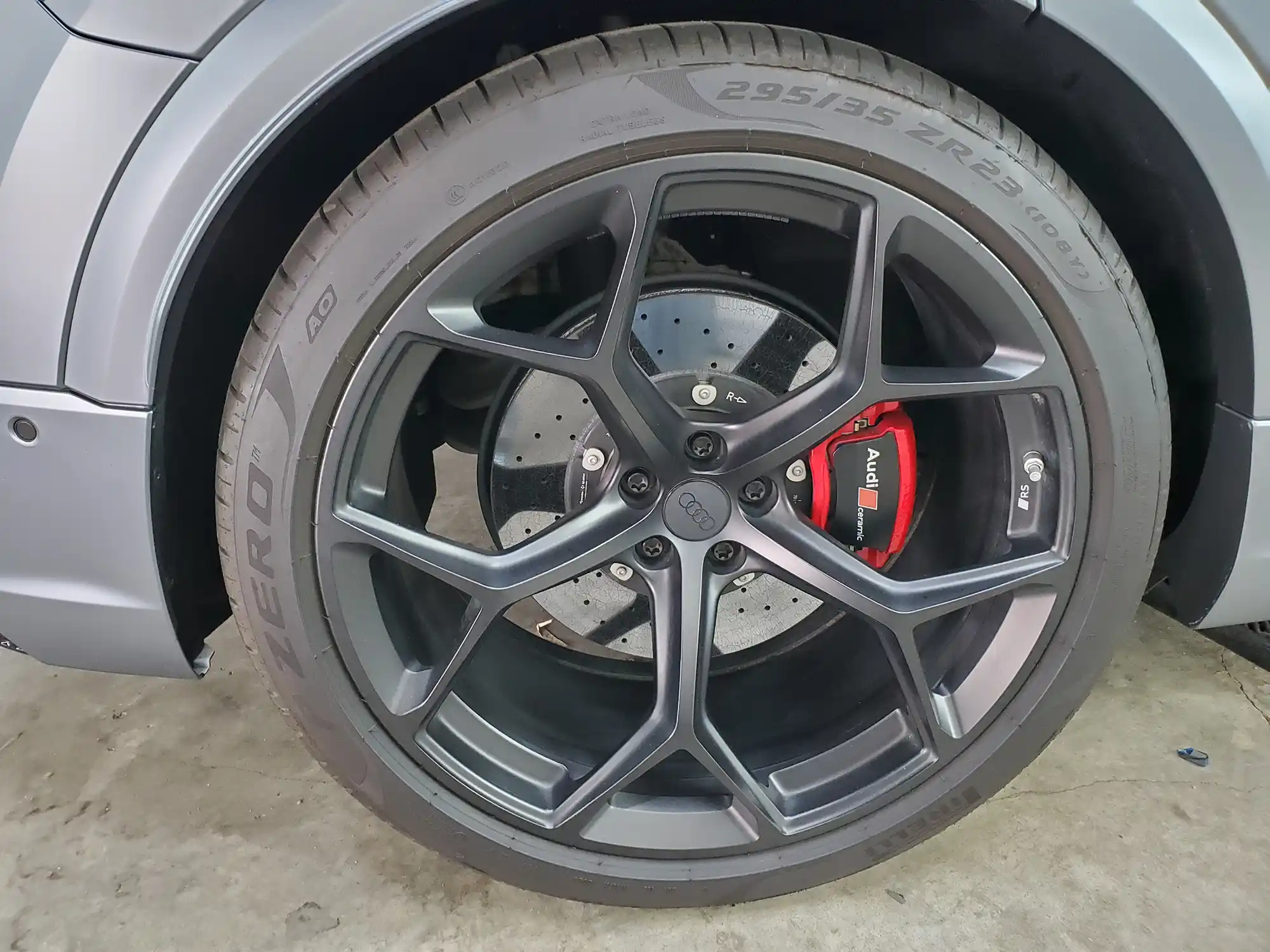
Here’s what makes this so satisfying to install. Colored PPF comes in finishes that used to be reserved for six-figure exotics: deep glosses, understated satins, moody mattes, and metallics with real flake and depth.
And it doesn’t just look good on day one. Premium colored films use a self-healing topcoat, which means the light swirls and wash marks that accumulate on any car simply vanish with a little heat from the sun or warm water. Your finish keeps looking freshly done long after a vinyl wrap would have started showing its age.
The quality has come far enough that the biggest names in the industry now stand firmly behind it. When XPEL rolled out its own line of colored film, the company’s product director framed it plainly, calling colored PPF “a smart, long-lasting solution” for owners who want to reinvent their car without giving up protection. That same film runs roughly two to three times thicker than vinyl and carries a 10-year warranty, which tells you how far this material has come.
Colored PPF vs. Vinyl Wrap vs. a Repaint
If you’re weighing your options, it helps to line them up honestly.
A vinyl wrap is the budget-friendly way to change color, and there’s a place for it. But vinyl is thin, it doesn’t stop rock chips, and it tends to fade or peel within a few years. It’s a costume, not armor.
A full repaint gives you a true color change, but it’s expensive, it takes your car off the road for a long stretch, and here’s the catch that matters most: the moment you repaint, you’ve lost your factory finish forever. In the used-car market, original paint carries real weight, and repainted panels can raise questions with a future buyer.
Colored PPF threads the needle. You get the dramatic color change of a wrap or a repaint, but your original paint stays sealed underneath, untouched and preserved. According to XPEL’s own guidance, when the film is professionally installed and later removed, it doesn’t damage the factory paint, and the added thickness gives you genuine chip protection a vinyl wrap can’t match. For anyone who plans to keep a car for years, or eventually sell it, that preserved factory finish is worth a great deal.
So the question isn’t really “which is cheapest today.” It’s “which one still looks right, and still protects your investment, three and five years down the road.”
What Sets Springs Detailing Apart

We’ll be honest about why we do this the way we do. Back in 2014, our family put down roots here in Colorado Springs, where we began with paint touch-up work for local dealerships. Over years and a lot of long days, that work grew into a full luxury shop built around high-end finishes, protection film, and ceramic coatings. We didn’t get into this to run cars through a line. We got into it because we love the way a finish looks when it’s done right.
That’s why we keep a small crew and a slow, deliberate process. A colored PPF install is precision work. The film has to be cut, aligned, and wrapped around every curve, edge, and emblem so it reads like paint, not plastic. Rush that, and you get lifted edges and orange peel that scream “wrapped.” Take your time, and you get a finish people walk up to and touch without realizing there’s film there at all.
Before any car leaves us, a manager goes over it front to back, top to bottom. Every seam, every edge, every panel. We don’t hand back your keys until it meets the standard we’d want on our own vehicles. That’s the difference between a shop chasing volume and a shop chasing the look on your face when you see your car for the first time. Our whole reason for being here is simple: we want you to fall in love with your car all over again.
Caring for Your Colored PPF
Once your colored film is on, keeping it looking sharp is refreshingly easy, and that’s the point. A gentle hand wash with a quality car soap and a soft microfiber mitt is really all it asks for. Rinse well, dry with a clean towel, and your finish stays crisp.
A few habits go a long way. Steer clear of harsh chemical cleaners and abrasive brushes, and be cautious with automatic car washes, since those stiff bristles are rough on any protective film. Many of our clients also add a ceramic coating over the top, which makes the surface slicker, easier to rinse clean, and even more resistant to the dust and road film that come with life along the Front Range. Between the two, your car spends less time getting scrubbed and more time turning heads on Tejon Street or the drive out to Manitou Springs.
Conclusion

Colored PPF is one of the rare upgrades that doesn’t ask you to compromise. You get a striking, personal, factory-quality color, and you get a self-healing shield that guards your paint against the very things our high-altitude sun and gritty roads throw at it every day. For drivers who love their cars and intend to keep them looking their best, it’s simply the smartest way to change your look without gambling with your finish or your resale value. Yes, you can finally have your German Chocolate Cake and eat it too!
The film matters, but the hands that install it matter just as much. If you want colored PPF in Colorado Springs done with patience, precision, and a manager’s eye on every panel, come see what careful work looks like. Call Springs Detailing or request your quote today, and let’s build the car you’ll be proud to pull out of the garage. Your finish, and your future self, will thank you.
Frequently Asked Questions
Is colored PPF the same as a vinyl wrap?
No. A vinyl wrap is a thin film built mostly for appearance, and it typically fades or peels within a few years. Colored PPF is a thicker, self-healing protective film with the color built in, so it changes your car’s look while genuinely shielding the paint from chips, UV, and grime. It looks more like factory paint and lasts far longer.
How long does colored PPF last?
Quality colored paint protection film generally lasts anywhere from five to ten years or more, depending on the film, the climate, and how you care for it. Premium films, such as PurePPF and XPEL, are commonly backed by warranties of up to ten years covering issues like yellowing, cracking, and peeling.
Will colored PPF hurt my factory paint or resale value?
When it’s professionally installed and later removed, colored PPF is designed to come off without damaging your original paint. Because your factory finish stays sealed and preserved underneath, colored PPF typically helps protect resale value rather than hurt it, which is a real advantage over a permanent repaint.
Can I get any color or finish I want?
You have a wide range to choose from, including gloss, satin, matte, and metallic finishes across many colors, from OEM-inspired factory tones to bolder custom looks. During your consultation we’ll help you match a finish to your car and the look you’re after.
Is colored PPF a good idea in the Colorado Springs climate?
It’s an excellent fit. Our high-altitude sun accelerates paint fade, and local roads, from Ute Pass to I-25, pepper your finish with gravel and winter road treatments. Colored PPF blocks much of that UV and absorbs the impacts, making it especially worthwhile here on the Front Range.
Should colored PPF be installed by a professional?
Absolutely. Colored PPF is precision work, and the quality of the result depends heavily on the skill and patience of the installer. Poor installation shows up as lifted edges and a plasticky look, while an expert install reads like factory paint. This is not a project to hand to just anyone.
Additional Resources
- XPEL COLOR Paint Protection Film Announcement — Industry background on colored PPF from a leading film manufacturer.
- XPEL Paint Protection Film Overview — A deeper look at self-healing film technology, finishes, and warranties.