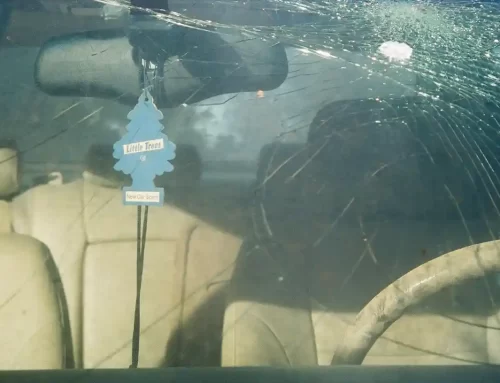
If you have lived along the Front Range for more than a summer, you already know the story. The sky goes green, the wind picks up, and within ten minutes your car is taking a beating it will never forget. Hail is simply part of life in Colorado Springs, and no amount of hoping will change that. What can change is how prepared your vehicle is when the storm arrives, and the most effective way to minimize hail damage with PPF is to have it professionally installed before storm season arrives.
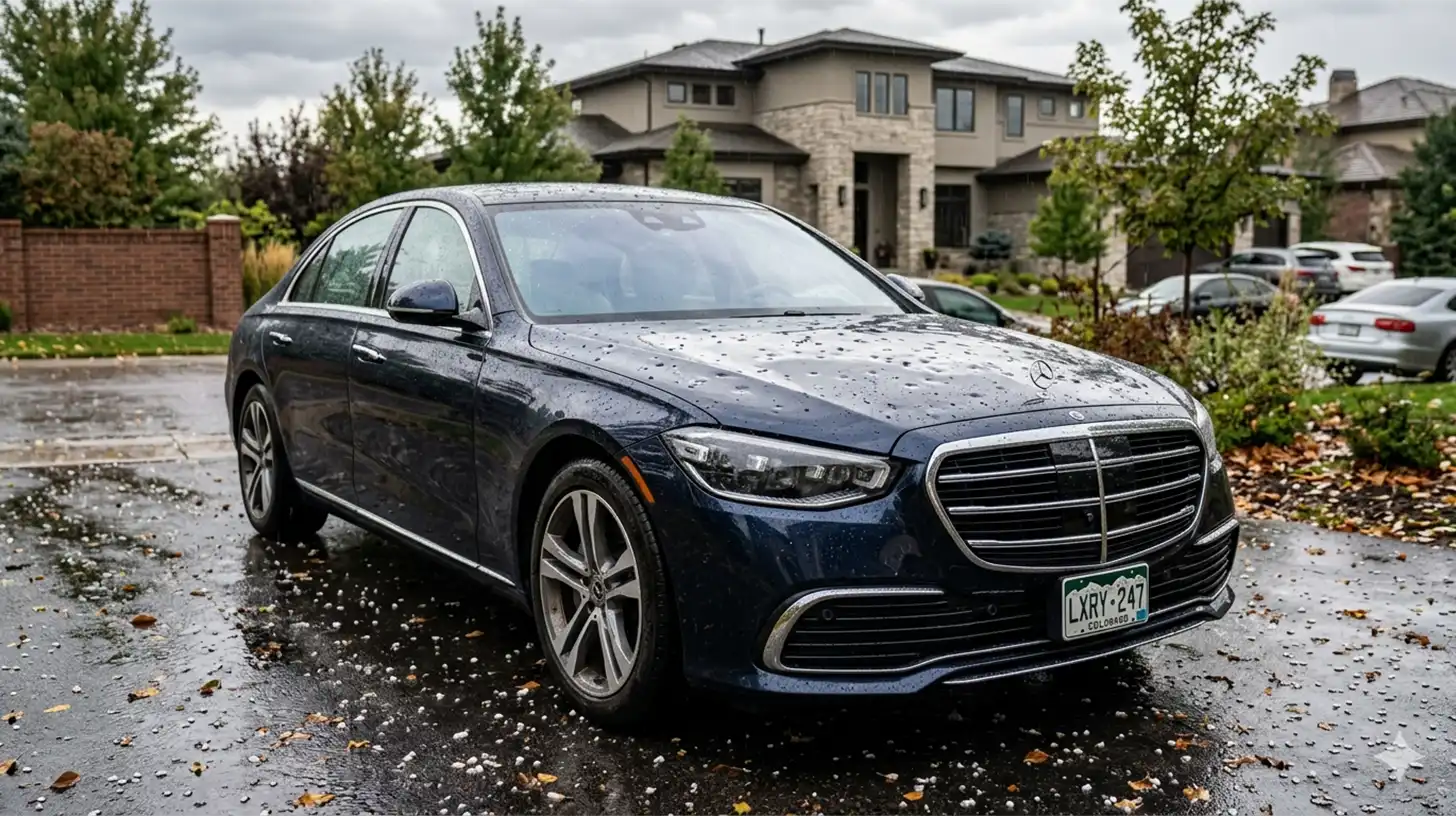
At Springs Detailing, we have spent the better part of twenty years working with paint, and we have watched beautiful vehicles arrive after a single storm wreaked serious havoc on the customers’ paint. That experience is one of the reasons why we are so passionate about XPEL Paint Protection Film. It is not a miracle cure, and we will never claim otherwise. But it is the closest thing we have found to a real defense against small and medium hail, and for vehicles stored outside in Briargate, Flying Horse, Cordera, and Wolf Ranch, it is an investment that tends to pay for itself the first time a storm rolls through.
Key Takeaways
- Colorado Springs sits in the heart of “Hail Alley” and ranks among the top U.S. cities for hail insurance claims.
- XPEL Paint Protection Film uses a thick, self-healing urethane layer that absorbs and disperses impact energy before it reaches your paint.
- PPF significantly reduces the risk of paint damage from small and medium hail, though no film can stop every stone.
- Professional installation is what separates film that performs for a decade from film that peels in a year.
- Pairing XPEL PPF with a quality ceramic coating gives you the strongest defense available for a vehicle parked outside in Colorado.
Table of Contents
- Why Colorado Springs Is Ground Zero for Hail Damage
- The True Cost of a Single Hailstorm
- What XPEL Paint Protection Film Actually Does
- How PPF Reduces the Chances of Hail Damage
- Why Professional Installation Is Everything
- Pairing PPF with Ceramic Coating
Colorado Springs Is Ground Zero for Hail

You do not have to tell anyone living north of downtown Colorado Springs about hail. Folks in Gleneagle, Northgate, Pine Creek, and Monument have been cleaning shredded leaves off their driveways and checking their vehicles every June for as long as they can remember. The reason is geography. The Front Range and the Palmer Divide create the exact conditions thunderstorms need to form, and warm moist air colliding with cold air flowing off the Rockies produces the kind of supercell storms that drop hailstones the size of golf balls.
The numbers back up what you already know from experience. Between 2017 and 2019, one of the top five U.S. cities for hail loss claims were in Colorado, and about fourteen percent of all hail claims nationwide came from this state. One of those cities was Colorado Springs. Combine that with an average of seven to nine hail days per year along the Front Range, and it becomes clear that this is not a question of whether your vehicle will face hail. It is a question of when, and how prepared it is when that day arrives.
The True Cost of a Single Hailstorm
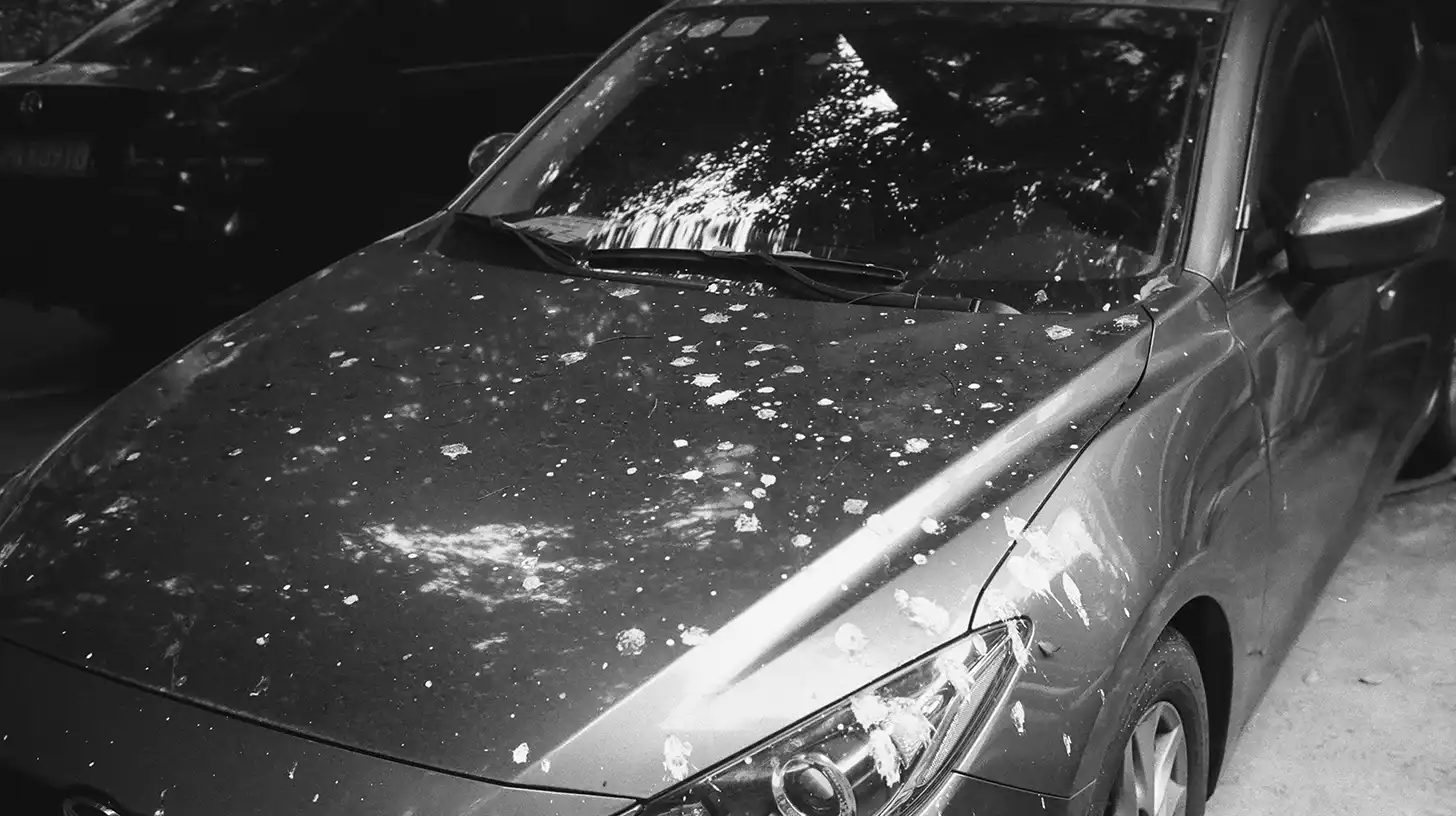
Most people do not realize how expensive hail damage becomes until they have lived it. A single storm can dent your hood, crack your windshield, and pit your paint in under ten minutes. Even with good insurance, deductibles, rental costs, and the weeks your car spends at a paintless dent repair shop add up in a hurry. The part that frustrates owners most is that even after the dents are pulled, damage to the paint itself often requires repainting panels, and a repainted panel is never quite the same as the factory finish.
To give you a sense of scale, hail storms have caused more than $5 billion in insured damage in Colorado over the past decade. That is not a typo. That is the running tab for driving an unprotected vehicle in Hail Alley year after year.
For owners of high-end vehicles in neighborhoods like Flying Horse Ranch, Kings Deer, and Cordera, the math gets even harder. Repainting a modern luxury vehicle with layered pearlescent or candy-coat finishes can cost more than the total price of a comprehensive PPF installation. At that point, protection stops being a luxury and starts looking like plain common sense.
Recommended Reading: 12 Car Paint Damage Types That Destroy Resale Value
What XPEL Paint Protection Film Actually Does

Paint Protection Film, sometimes called “clear bra,” is a clear urethane film bonded directly to the surface of your vehicle. XPEL makes the industry-leading version, and their Ultimate Plus product is what we install at Springs Detailing for countless customers who walk through our doors.
The film itself is roughly eight mils thick, which is meaningfully thicker than the layer of clear coat that came from the factory. Underneath that thickness is where things get interesting. XPEL engineers the film with an elastomeric polyurethane topcoat designed to flex on impact and then spring back to its original shape. XPEL describes its film as self-healing, built to defend against nearly everything the road kicks up at your car. In plain English, that means small rock chips, light scratches, and minor hail impacts that would otherwise leave permanent marks on your paint are absorbed by the film instead.
Further Reading: Best Paint Protection Film Colorado Springs
How PPF Reduces the Chances of Hail Damage
When folks ask us how to minimize hail damage with PPF, we give them the same straight answer every time. XPEL does not warranty against hail damage, and no reputable film manufacturer does. Hail is unpredictable, and baseball-sized stones will dent sheet metal no matter what you put on top of the paint. What XPEL does do, and does extraordinarily well, is reduce the chances of paint damage and dramatically cut down on the severity of what gets through.
Three things happen when a hailstone hits a panel covered in Ultimate Plus film. First, the thickness of the film absorbs a portion of the impact energy before it ever reaches the paint. Second, the elastomeric layer flexes and spreads the remaining energy across a wider surface area, so the hit is less concentrated. Third, even when a dent does form in the sheet metal underneath, the paint almost always stays intact, which means you are looking at a much cheaper paintless dent repair rather than a full panel respray.
For small to medium hail, which is the majority of what Colorado Springs sees in a given year, that difference often means the gap between zero damage and a stressful insurance claim. For larger hail, it can still save you thousands in paint work.
Why Professional Installation Is Everything

This part is important, and we would be doing you a disservice if we skipped over it. Paint Protection Film is only as good as the hands that install it. A film applied with trapped air, lifted edges, or improper prep will peel, yellow, and fail years before its warranty is up. Done right, it disappears into the paint and protects your vehicle for a decade or longer.
At Springs Detailing, we have spent years refining our process. Nearly every vehicle that comes in for PPF receives a full paint correction first, because anything left on the paint, whether a swirl mark or a contamination spot, gets sealed under the film permanently. After correction, we use bulk rolls and custom-cut templates so the edges wrap cleanly around every curve and panel gap. Before any vehicle leaves our shop, a manager walks around it front to back, top to bottom, and signs off personally. That is how we have always done it, and it is why we stand behind our work.
Pairing PPF with Ceramic Coating
If you want the strongest defense available for a vehicle that lives outside, you pair XPEL Paint Protection Film with a quality ceramic coating on top. The PPF handles physical impact from rocks and hail. The ceramic coating keeps the film itself easier to clean, resistant to bird droppings, tree sap, and hard water, while enhancing gloss so the car still looks like it just rolled off the showroom floor.
A lot of our clients specifically request this combination. They drive their vehicles to work every day, park outside at the office, and need something that will survive both everyday commuting and the inevitable June hailstorm. PPF plus ceramic is the answer for drivers who want to minimize hail damage with PPF while keeping the car looking showroom-clean year round.
Further Reading: Ceramic Coating vs PPF: Which Paint Protection is Best?
Conclusion
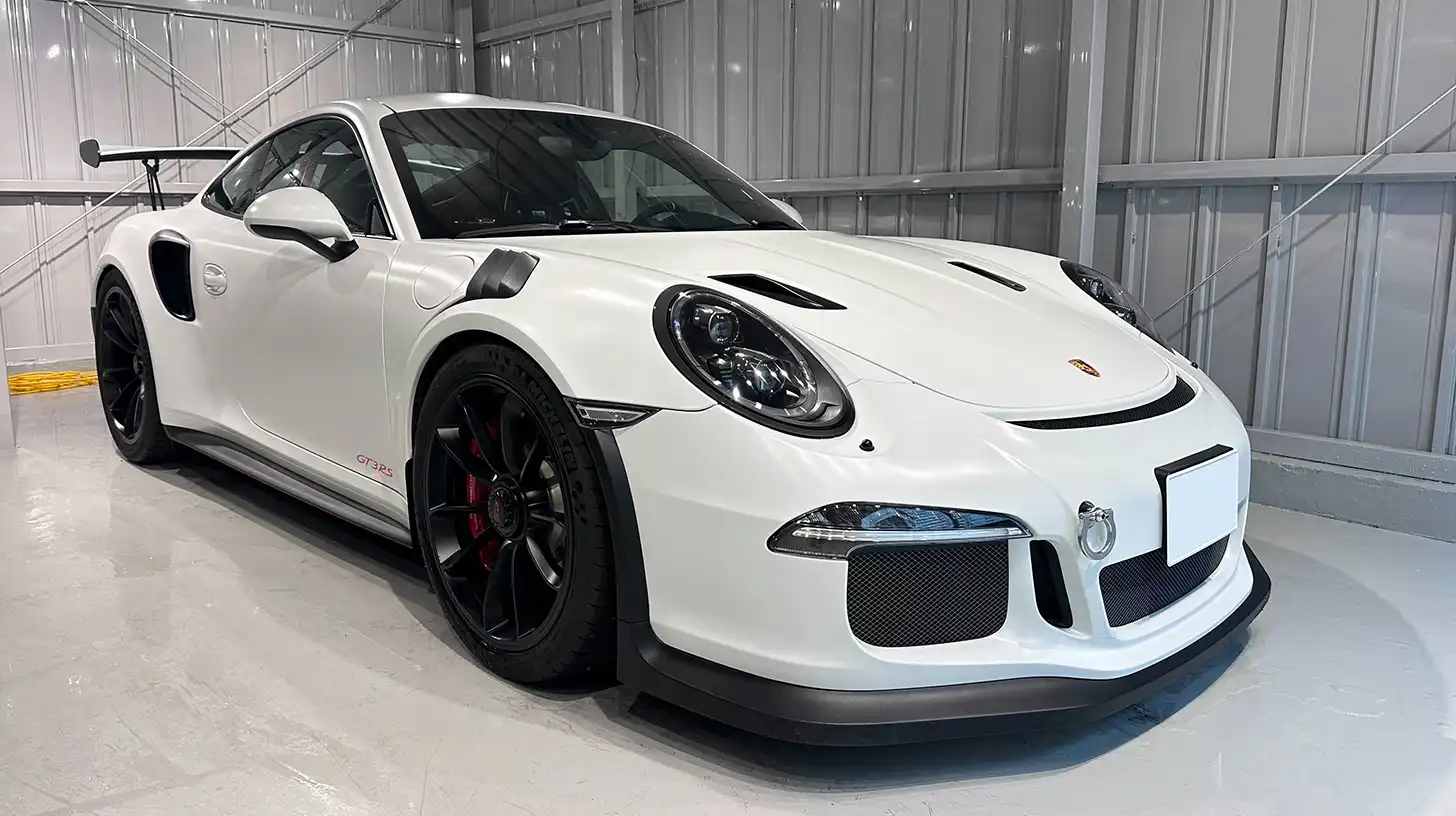
We love cars at Springs Detailing. Always have. After twenty plus years of working with paint, there is something genuinely painful about watching a beautiful vehicle get dented and pitted by a storm the owner never saw coming. XPEL Paint Protection Film is the best defense we have found against that reality. It will not stop every hailstone, and we will never claim otherwise, but it will dramatically reduce the chance of paint damage and, when damage does happen, it will almost always save you thousands in repair costs.
If your vehicle spends even one night a week outside a garage in Colorado Springs, PPF is worth a serious conversation. Our shops are here in Colorado Springs, our team takes pride in the work, and we would be glad to walk you through the options.
Ready to protect your vehicle before the next storm? Call or contact Springs Detailing today or stop by the shop for a personal consultation and an honest, no-pressure quote on XPEL Paint Protection Film. Your car deserves better than a dent and a deductible.
Suggested Reading: XPEL vs 3M Paint Protection Film: Which is Best?
Frequently Asked Questions
Does XPEL Paint Protection Film completely prevent hail damage?
No film will stop every hailstone, and any installer who tells you otherwise is not being straight with you. What XPEL Ultimate Plus does is absorb and disperse impact energy across a thicker, flexible layer than your factory clear coat. For small to medium hail, which is the majority of what hits Colorado Springs, it often prevents visible damage entirely. For larger hail, it still meaningfully reduces the severity and almost always protects the paint underneath, even when a panel ends up with a minor dent.
How long does XPEL PPF last on a vehicle in Colorado?
XPEL Ultimate Plus comes with a ten-year manufacturer warranty against yellowing, cracking, and peeling when professionally installed. In the dry, high-altitude climate along the Palmer Divide, properly installed film routinely performs for the full warranty period and often beyond. The key phrase there is “properly installed.” Quality of installation is the single biggest variable in how long your film lasts.
Can PPF be applied to a vehicle that already has minor rock chips or swirl marks?
It can be, but we do not recommend it without paint correction first. Anything left on the paint before the film goes down gets sealed in place permanently. At Springs Detailing, most every PPF installation starts with a proper paint correction to bring the surface back to its best before we apply film. Skipping that step is one of the most common reasons PPF jobs look disappointing three or four years down the road.
Is PPF a better investment than just repairing hail damage when it happens?
Whether it makes sense to minimize hail damage with PPF rather than repair it after the fact depends on the vehicle and how often it sees storms. For daily drivers in Briargate, Wolf Ranch, Flying Horse, and similar Northeast Colorado Springs neighborhoods where storms are a yearly occurrence, a full PPF installation tends to pay for itself within two or three hail events. For higher-end vehicles with complex paint, the math tilts even further in favor of PPF, because repainting modern luxury finishes can be incredibly expensive.
Can I drive my car normally right after PPF installation?
Yes, you can drive immediately, but we ask that you wait at least a week before washing the vehicle and longer before any pressure washing. The adhesive needs time to cure fully, and water or friction during that window can lift the edges of the film. We walk every client through the specific care instructions before they leave the shop.
Does PPF protect the whole car, or just certain panels?
Either option is available. Many clients choose full-front coverage, which protects the hood, front bumper, fenders, mirrors, and headlights, because those are the panels that take the worst rock chip and bug damage on I-25 and Powers Boulevard. For maximum hail protection, though, full-vehicle coverage including the roof, trunk, and upper rear quarters is the right call. We will walk you through the trade-offs based on how you drive and where you park.
Additional Resources
- Rocky Mountain Insurance Data on Colorado Hail Damage (Mile High CRE) – Statistics on Colorado Springs’ ranking among U.S. cities for hail loss claims.
- Denver7: A Look Back at Colorado’s Costliest Hail Storms – Historical overview of major Colorado hail events and their damage totals.
- XPEL Automotive Paint Protection Film – Manufacturer specifications and product details for Ultimate Plus PPF.